Understanding Current Payroll Trends
Recent payroll data has emerged as a pivotal indicator of the state of the US economy, shedding light on various dimensions such as employment levels, unemployment rates, job creation, and wage growth. The latest figures highlight a modest but steady job creation trend, with the economy adding approximately 200,000 jobs per month over the last quarter. This sustained growth reflects ongoing recovery in various sectors post-pandemic, particularly in hospitality, healthcare, and technology.
The unemployment rate has also seen slight fluctuations, currently hovering around 3.8%. This figure signifies a largely favorable job market, although certain demographics and regions still grapple with higher rates of unemployment. The persistence of job vacancies indicates that employers are actively seeking talent, suggesting a robust demand for labor. Such dynamics within the job market underscore the importance of payroll trends for consumers and investors alike, as they can influence consumer spending, business investment, and overall economic sentiment.
Concurrent with employment growth, wage growth has become an essential area of focus. Recent data reveals a year-on-year increase in average hourly earnings of around 4.5%. Although this growth is positive for workers, it raises questions regarding inflationary pressures. Experts suggest that while rising wages can lead to increased consumer spending, they may also prompt businesses to increase prices, further contributing to inflationary cycles. Therefore, it becomes imperative for investors to monitor payroll trends not merely as standalone data points but as interconnected elements that may signal broader economic shifts.
In conclusion, understanding the current payroll trends is crucial for comprehending the health of the US economy. The interplay of unemployment rates, job creation numbers, and wage growth provides significant insights that can inform consumer confidence and investment strategies. As these indicators evolve, they will undoubtedly play a vital role in guiding market movements and shaping economic forecasts in the near future.
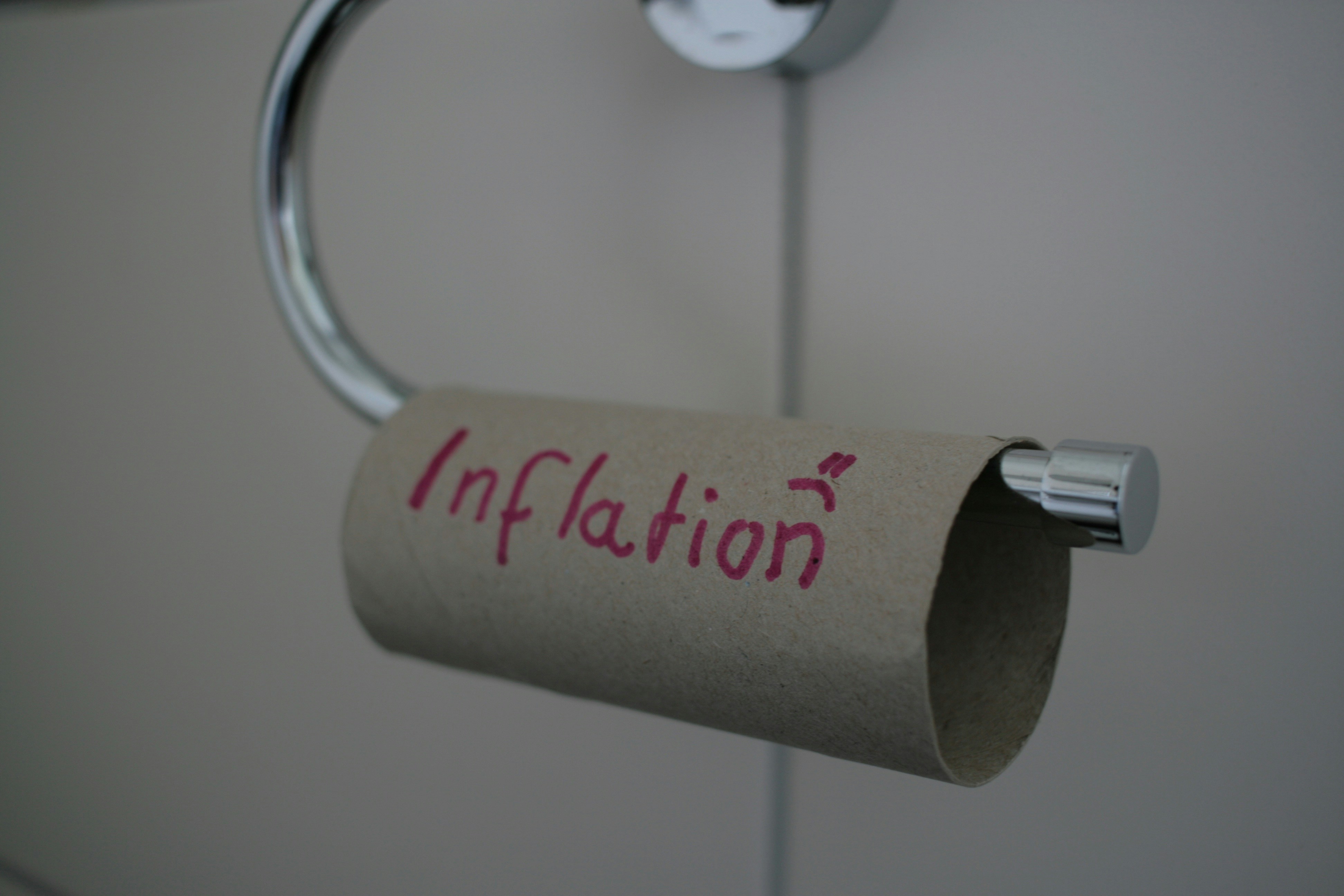
Inflation Trends and Their Impact on Markets
The inflation landscape in the United States has undergone significant changes in recent months, impacting various facets of the economy. Recent data on the Consumer Price Index (CPI) has indicated a notable resurgence in inflationary pressures, driven by a combination of factors such as supply chain disruptions, rising energy prices, and increased consumer demand. The latest CPI figures reveal that year-over-year inflation rates have surpassed the Federal Reserve’s targeted benchmark, raising concerns about long-term price stability.
This evolving inflation trend is prompting policymakers to recalibrate fiscal strategies in response. The Federal Reserve, which plays a crucial role in steering the economy, is closely monitoring these inflation metrics. As inflation surpasses desired levels, the Fed may consider adjusting interest rates as a method to rein in excessive price increases. Historically, a rise in interest rates typically translates to a tightening of liquidity in the market, which can subsequently influence consumer spending and investment strategies.
Furthermore, inflation expectations among consumers have begun to shift, leading to altered behaviors in spending and saving. As people anticipate continued price increases, many may choose to accelerate purchases or shift investment portfolios toward inflation-hedged assets such as commodities or real estate. This shift in consumer behavior can significantly influence the stock market, as companies may face increased costs that they need to pass on to consumers, impacting profit margins and overall market sentiment.
As we look ahead, the interconnectedness of inflation rates and interest rates will remain pivotal in shaping market dynamics. Investors will be keenly observing the Federal Reserve’s actions and any signals regarding future interest rate hikes, as these factors are likely to determine market trajectories in the coming months. Understanding the current inflationary climate is essential for crafting effective investment strategies that align with potential market shifts.
Market Reactions: Expectations and Sentiment
The current landscape of the U.S. stock market is significantly influenced by ongoing trends in payroll figures and inflation rates. Investors are closely monitoring these economic indicators as they play a critical role in shaping market sentiment and expectations. Recent data has shown fluctuations in job creation, affecting overall confidence among market participants. When payroll numbers exceed anticipations, there is typically a corresponding uplift in consumer confidence, leading to increased investment activities across various sectors.
In particular, major stock indices have exhibited notable volatility, responding dynamically to the latest employment reports and inflation updates. For instance, prior to any significant economic announcements, trading volumes tend to rise as investors speculate on potential outcomes. This heightened activity underscores the importance of these reports in the broader economic narrative, as they provide insights into the health of the labor market and consumer spending trends.
Sector performances have also reflected the prevailing sentiment driven by payroll and inflation data. Notably, sectors such as consumer discretionary and financials are often more sensitive to changes in inflation, with investors anticipating adjustments in monetary policy that could follow any shifts in these economic indicators. As a result, traders are adjusting their strategies, positioning themselves in stocks that might benefit from favorable conditions or hedging against potential downturns.
As the market braces for upcoming economic reports, investor strategies are likely to be influenced by expectations surrounding payroll growth and inflation stability. Analysts are watching closely for potential shifts that might compel the Federal Reserve to alter interest rates, further impacting market dynamics. In light of these conditions, understanding investor sentiment and market reactions becomes essential for navigating the complexities of investing during these economically charged times.
Future Outlook: Navigating Uncertainties
The future of the US economy is closely intertwined with the dynamics of payrolls and inflation, presenting both risks and opportunities for investors. Recent trends indicate that the labor market remains resilient, with low unemployment levels providing a solid foundation for consumer spending. However, shifts in inflation rates pose significant challenges. As the Federal Reserve maneuvers through tightening monetary policies to combat inflation, the implications for employment rates and economic growth cannot be understated. Maintaining a keen awareness of these variables is essential as we project future market movements.
With inflation figures fluctuating, experts predict various scenarios: a potential stabilization of prices may lead to a sustained level of employment; conversely, a spike in inflation could dampen economic activity and hinder job growth. Investors must remain vigilant in monitoring both macroeconomic indicators and tailored forecasts to adapt to these fluid circumstances. For instance, sectors heavily reliant on consumer discretionary spending may experience volatility in the face of rising prices, while commodity-linked sectors could benefit from inflationary pressures, creating divergence in market performance.
In the short term, investors are advised to adopt a balanced approach, weighing the benefits of growth-oriented investments against the risks associated with inflationary uncertainty. Diversification across asset classes may afford protection against sudden market shifts. Long-term strategies may include focusing on industries poised for growth in an inflationary environment, such as technology and healthcare sectors that have demonstrated resilience historically. By acknowledging the interplay of payroll changes and inflation trends, investors can better navigate the evolving landscape of the US economy.
Ultimately, staying informed and agile in the face of economic changes will enable investors to seize potential opportunities and mitigate risks, all while adjusting their portfolios to reflect the latest prevailing economic conditions.