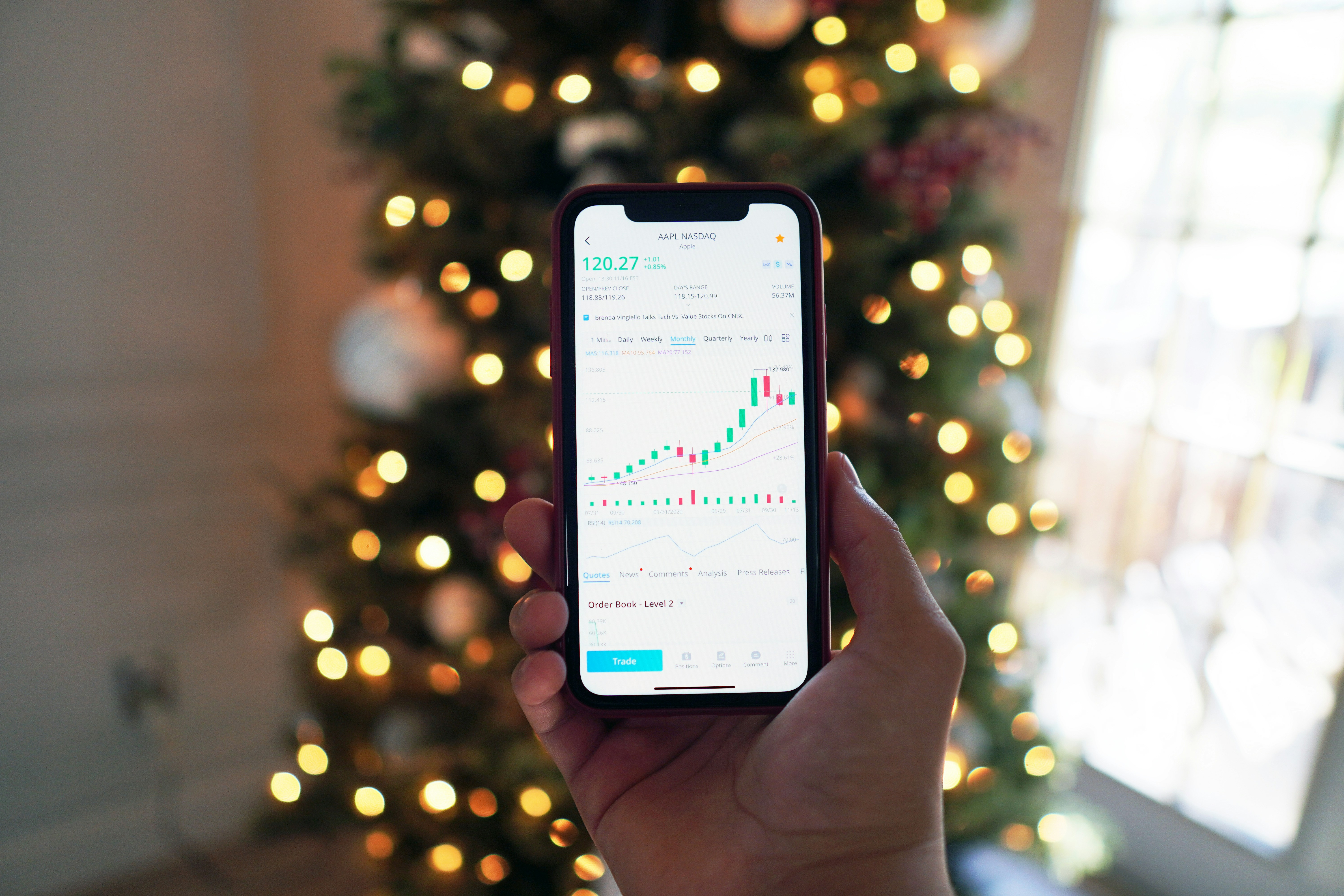
Understanding the Santa Claus Rally
The Santa Claus rally refers to the observed phenomenon in the stock market, characterized by a notable increase in stock prices during the last week of December and the first two trading days of January. Historically, this period has proven significant for investors, as many Christmas seasons tend to end with a surge in stock market indexes. The roots of this rally can be traced back to various psychological and economic factors, which collectively create an environment conducive to rising stock prices.
One prominent factor driving the Santa Claus rally is the increased investor optimism during the holiday season. During this time, many market participants tend to feel more positive, driven by the festive spirit of the holidays. As investors express this optimism through buying, stock prices commonly experience upward pressure. Additionally, institutional investors may engage in portfolio adjustments at the end of the year to align with their strategies or showcase strong performance, which also contributes to the price increases observed during this period.
Historically, data supports the occurrence of the Santa Claus rally; numerous studies have analyzed trends from various years, revealing a consistent pattern of positive returns during the designated timeframe. For instance, statistics show that, on average, the S&P 500 index tends to rise in value during these crucial trading days. Furthermore, the impact of end-of-year bonuses, holiday spending, and tax considerations may also play a role in this seasonal increment in stock prices.
In essence, while not guaranteed, the Santa Claus rally has been a recurring feature in stock market behavior, shaped by psychological trends and strategic trading actions. This rally continues to capture the interest of investors, as they assess the implications of past performance for future market behavior, especially during periods of uncertainty, such as the expectations associated with AI developments and their potential impacts on financial markets.
The Current State of AI and Its Market Impact
Artificial Intelligence (AI) has witnessed significant advancements over the past few years, drastically transforming various sectors, including finance. These developments have not only reshaped technological landscapes but have also brought about considerable implications for the financial markets. Investment communities are currently experiencing heightened sentiments entwined with AI’s rapid deployment and integration into traditional practices. For instance, machine learning algorithms have enhanced trading strategies and risk assessment models, attracting both institutional and retail investors seeking efficient and data-driven approaches.
The integration of AI in financial services is often accompanied by volatility and uncertainty. As stock valuations become increasingly influenced by AI-driven predictions and analytics, investor psychology is greatly impacted. The excitement surrounding AI capabilities often leads to swelling valuations for tech-oriented firms, while traditional companies may find themselves struggling to compete in an increasingly digitized environment. This has raised concerns about the sustainability of such valuations and the potential for sudden market corrections, commonly referred to as ‘jitteriness’ in investment circles.
Recent news events highlighted how developments in AI technology can stir market fluctuations. For instance, significant announcements from leading tech firms or fresh regulatory guidance can lead to swift investor reactions, sometimes resulting in sharp sell-offs or buying frenzies. Furthermore, as AI moves towards more autonomous systems, ethical concerns and market regulation are becoming paramount, adding another layer of complexity and concern for investors. As we look towards the future, the influence of AI on market dynamics is likely to grow, presenting both opportunities and challenges for those navigating the investment landscape.
Analyzing Market Sentiment and AI-Induced Jitters
As the holiday season approaches, investor sentiment plays a crucial role in determining market dynamics, particularly in light of recent developments in artificial intelligence (AI). The increasing prevalence of AI technologies has led to heightened scrutiny and concerns among investors regarding the broader implications of such advancements. These AI-induced jitters can manifest in various ways, potentially influencing trading behaviors and overall market confidence. Understanding the current market sentiment becomes essential, especially when it comes to predicting the possibility of a Santa Claus rally.
Market sentiment can be assessed through a combination of investor surveys, sentiment analysis, and the evaluation of historical data. Investor surveys frequently shed light on the prevailing attitudes toward market conditions, revealing levels of optimism or pessimism among participants. For instance, a pronounced fear or skepticism regarding the impacts of AI could lead to increased caution among investors, causing them to refrain from making substantial investments or engaging in higher-risk trades. This hesitance can further exacerbate the existing uncertainty, diminishing the potential for a year-end rally.
Moreover, sentiment analysis derived from social media platforms and financial news can provide additional context on how fears surrounding AI may be influencing public perception. Historical data often showcases patterns where fear-driven events, such as technological disruptions or regulatory fears, have led to muted market performances during periods close to year-end. Similar sentiments could emerge in the present scenario, suggesting that AI-related concerns might detract from a robust holiday trading season.
Ultimately, monitoring indicators of market sentiment closely is essential for investors in the lead-up to the holiday season. The behavior of market participants in response to these AI jitters could either hinder or catalyze the potential for a traditional Santa Claus rally, contingent on how fears are allayed or exacerbated as we move further into the holiday period.
Outlook for the Santa Claus Rally Amidst AI Concerns
The potential for a Santa Claus rally this year exists, yet it is increasingly clouded by apprehension surrounding artificial intelligence (AI) developments. Traditionally, the Santa Claus rally, which refers to a phenomenon where stock prices typically rise in the last week of December and into the first few trading days of January, hinges on several factors, including consumer sentiment, seasonal retail performance, and broader economic indicators. However, unprecedented AI concerns may introduce new dynamics that could affect market performance.
Experts have expressed mixed opinions regarding the potential impact of AI on the rally. Some analysts argue that the ongoing advancements in AI could serve as catalysts for growth, leading to increased investor confidence and subsequent stock price rises. They point to sectors negatively impacted by AI worries, such as technology and job-dependent industries; while the potential for job displacement exists, there are also opportunities for innovation and productivity gains that could boost economic activity in the longer term. Conversely, skeptics note that market instability and fears of regulation concerning AI might lead to volatile trading patterns, thereby jeopardizing the stability required for a traditional rally.
Investors seeking to navigate this uncertain environment might consider employing defensive strategies, such as diversifying their portfolios or leaning towards sectors less impacted by AI disruptions. Maintaining a focus on fundamentally strong companies with proven track records could provide a buffer against any potential downturns related to AI jitters. Additionally, keeping a cautious eye on economic indicators—such as consumer spending trends and employment data—could offer valuable insights into market direction as the year approaches its end.
As the final trading days of December unfold, the fate of the Santa Claus rally appears intricately tied to how both investors and markets manage their perceptions and responses to the AI landscape. Monitoring these sentiments will be crucial in assessing the likelihood of a rally happening in the current environment.