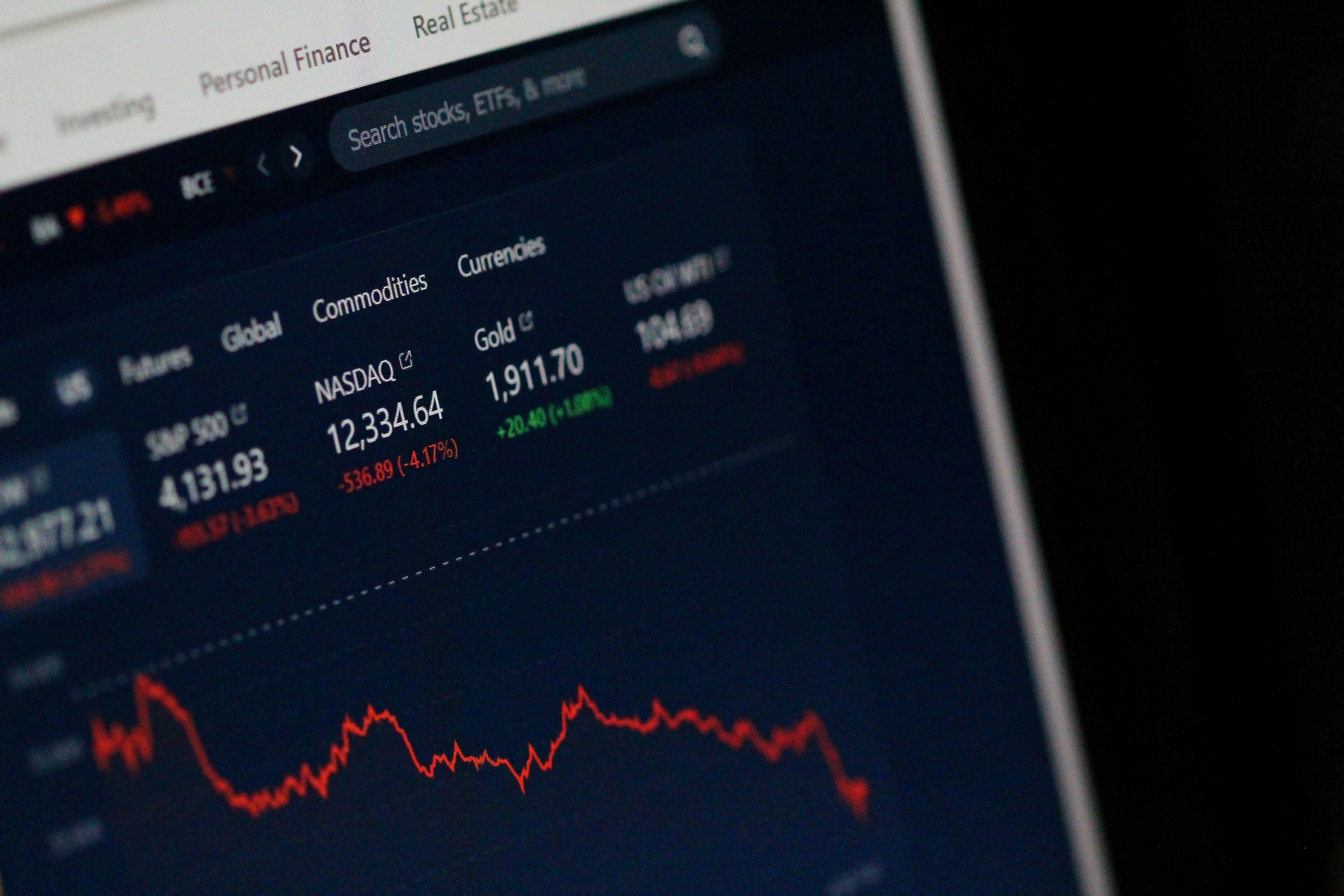
Overview of Global Market Reactions
The recent weakening of the Chinese economy has sent ripples through global markets, prompting varied reactions across different regions and sectors. Investors have responded with caution as uncertainties surrounding China’s economic policies loom large. Stock markets in North America, Europe, and Asia have all experienced fluctuations reflective of these concerns.
In the United States, major stock indices such as the S&P 500 have displayed a degree of volatility, reflecting mixed investor sentiment. Key sectors like technology and manufacturing have been particularly sensitive to news from China, given their substantial trade ties. Investors are monitoring developments closely, as any signal of adjustment in China’s economic policies could significantly impact these sectors.
Meanwhile, European markets have reacted similarly, with indices such as the FTSE 100 and DAX experiencing declines as traders adjust their forecasts based on the projected slowdown in Chinese growth. European exporters, particularly in the automotive and luxury goods sectors, are bracing for possible declines in demand from China, further amplifying investor apprehension.
Asia-Pacific markets have not been spared from the fallout either. Stocks in countries such as Japan and South Korea have faced downward pressure, partly attributed to their reliance on Chinese imports and exports. The Japanese yen has seen fluctuations against the U.S. dollar, indicating a shift in investor sentiment driven by perceived risk. Currency markets, in many respects, reflect the intertwined fates of these economies, as they adapt to the shifting landscape.
Investor sentiment globally has swung towards safer assets, with commodities like gold and bonds gaining interest as markets grapple with uncertainties surrounding China’s economic stability. Amid these reactions, the market is keenly awaiting policy signals from Chinese leaders, which could provide crucial insights into the trajectory of not only China’s economy but also its implications for global trade and market dynamics.
China’s Economic Indicators and Trends
China’s economic landscape has recently shown signs of strain, reflected in various critical economic indicators. One of the most notable metrics is the Gross Domestic Product (GDP) growth rate, which has seen a marked slowdown. In the first half of 2023, China’s GDP growth was reported at approximately 4.5%, a significant drop from the previous year, indicating a reduced momentum in economic activities. This deceleration can be attributed to several factors, including ongoing supply chain disruptions and decreased consumer spending as a result of heightened uncertainties.
Manufacturing output is another crucial indicator that highlights the challenges facing China’s economy. Data from the National Bureau of Statistics reveals a contraction in manufacturing PMI (Purchasing Managers’ Index), which fell to 49.5 in September 2023. This marks the third consecutive month that the index has remained below the critical threshold of 50, signaling contraction and suggesting that manufacturers face increased challenges, from rising operational costs to reduced export demands.
The trade balance, a vital measure of economic health, has also shown fluctuations. China’s trade surplus narrowed considerably amidst pandemic disruptions and weakening global demand. Additionally, consumer confidence has been adversely affected. Surveys indicate a decline in consumer sentiment, as households remain cautious about future income prospects and retail sales growth has stalled. This decline is often exacerbated by rising unemployment rates and a saturated housing market, further dampening spending.
The cumulative impact of these indicators paints a concerning picture of China’s economic health. While external factors play a part, internal structural issues also contribute to the current downturn. These challenges potentially signal a broader re-evaluation of China’s growth model, which may have deep-rooted long-term implications for both the domestic economy and global markets.
Key Policy Signals Expected from China
In light of recent economic challenges, key policy signals from the Chinese government are highly anticipated. As the country confronts slower growth rates and persistent structural issues, officials are likely to implement various measures aimed at stabilizing and revitalizing the economy. Potential changes in monetary policy could include adjustments to interest rates and reserve requirements. Analysts expect that the People’s Bank of China may lower interest rates to stimulate borrowing and investment while also providing liquidity support to financial institutions.
Additionally, fiscal stimulus measures are anticipated as the government addresses weak domestic demand. This could manifest in increased spending on infrastructure projects and subsidies aimed at boosting consumption. Such proactive fiscal policies would be designed not only to stimulate short-term economic growth but also to lay the groundwork for long-term sustainability. The Chinese government may also explore the implementation of tax breaks or incentives to encourage private sector investment, further stimulating the economy.
Importantly, significant reforms may be on the horizon, targeting state-owned enterprises and sectors that have been lagging. These potential reforms could include increasing market access for private companies and encouraging innovation through enhanced support for technology and research sectors. Such steps would reflect a broader transition towards a more market-driven economy, which could bolster confidence among both domestic and international investors.
The implications of these expected policy shifts extend beyond China’s borders, as they are likely to impact global markets significantly. Investors are closely monitoring these developments, as shifts in China’s economic landscape can influence trade dynamics, commodity prices, and overall market sentiment worldwide. As the situation evolves, understanding these key policies will be essential for investors seeking to navigate the complexities of the global financial landscape.
Implications for Investors and Global Economies
The recent weakening of China’s economy has raised significant concerns for investors and global economies alike. As the world’s second-largest economy, any shifts in China’s economic performance reverberate throughout financial markets. Investors must be aware of the broader implications this trend could have on their portfolios. One of the primary strategies to consider is diversifying investments across emerging markets, which may present opportunities for growth as capital shifts away from China. Investors could potentially benefit from identifying regions poised for increased foreign investment, particularly those with favorable trade relationships and stable political environments.
Additionally, as capital flows adjust in response to China’s weakening, changes in sector-specific investments are likely to emerge. For example, industries heavily dependent on Chinese demand, such as commodities, may face heightened volatility. Conversely, sectors that could thrive due to shifts in production and supply chains might present new opportunities for investment. As companies reassess their reliance on China, businesses in neighboring Asian countries might capture market share and experience growth, providing attractive options for investors.
Moreover, the long-term impacts on global economic stability and growth prospects cannot be underestimated. A sustained downturn in China could lead to a slowdown in global trade, potentially increasing the risks of economic recessions in other nations reliant on Chinese imports or exports. This scenario would necessitate strategic planning and risk management from both businesses and policymakers. Governments might need to consider adjusting their economic policies to buffer the effects of a decelerating Chinese economy, while also encouraging innovation and resilience in vital sectors. By assessing these dynamics, investors and businesses can better navigate the evolving landscape shaped by China’s economic shifts.