
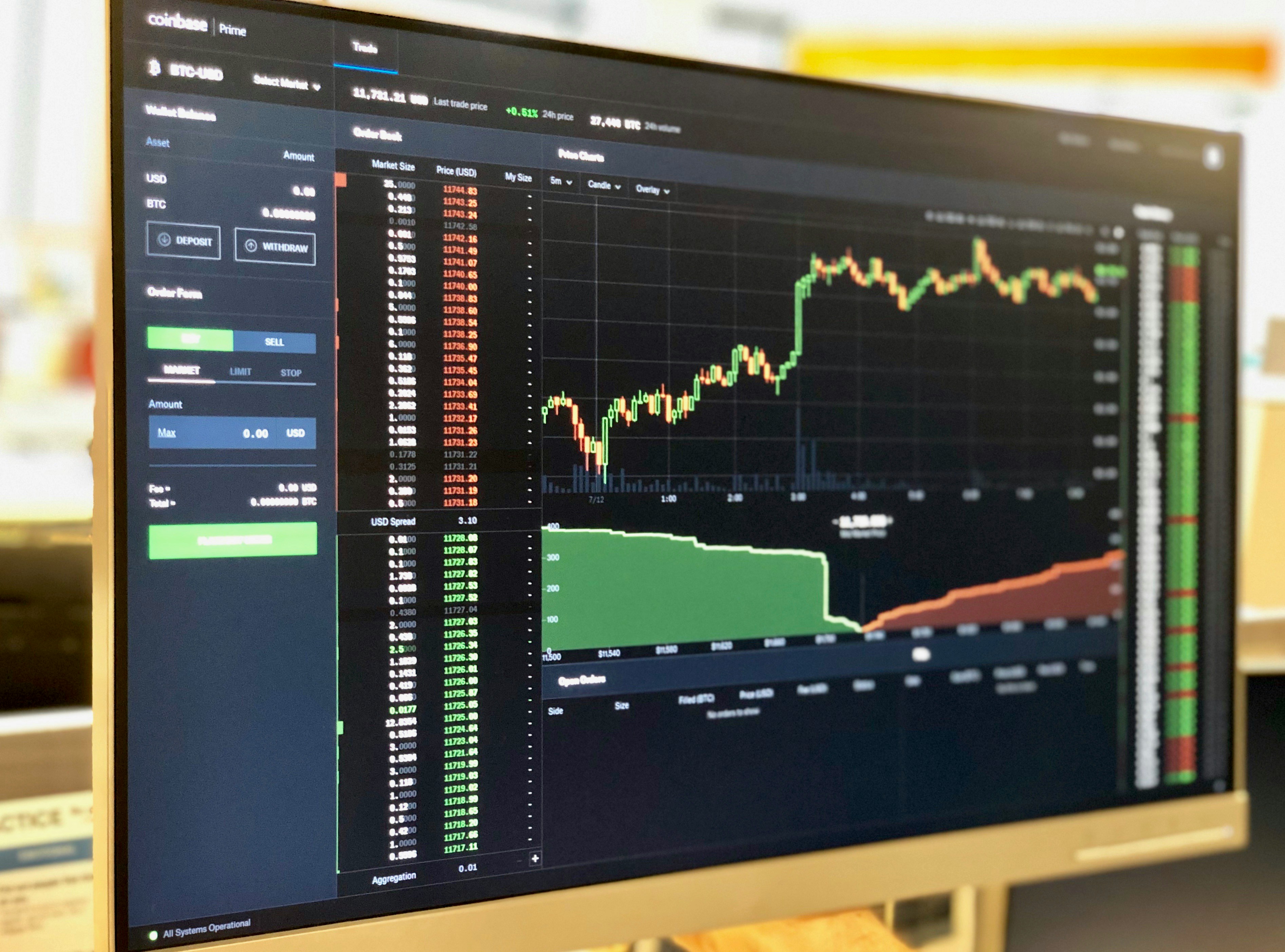
What Influences Bitcoin Price?
The price of Bitcoin, often characterized by its volatility, is influenced by a multitude of factors broadly categorized as market dynamics, regulatory developments, technological advancements, macroeconomic indicators, and the impact of social media. Understanding these components is essential for grasping the fluctuations in Bitcoin’s value over time.
Market demand and supply dynamics primarily govern Bitcoin’s pricing structure. When demand increases—whether through retail investor enthusiasm or institutional adoption—the price typically rises. Conversely, when supply exceeds demand, the price tends to fall. Notably, Bitcoin’s capped supply at 21 million coins adds a layer of complexity; as the available supply diminishes, scarcity can drive prices higher, especially during periods of heightened demand.
Regulatory news plays a pivotal role in establishing Bitcoin’s market stability. Positive developments, such as endorsements from financial regulators or increased acceptance by mainstream financial institutions, can create bullish sentiments. In contrast, negative news, including governmental crackdowns or restrictive regulations in key markets, may lead to significant price drops. Investors often react quickly to regulatory changes, leading to rapid price movements.
Technological advancements, particularly upgrades to the Bitcoin infrastructure like the Lightning Network, can also sway prices. Improvements that enhance Bitcoin’s scalability and transaction efficiency typically foster greater adoption and subsequently, a potential increase in its value.
Macroeconomic indicators such as inflation rates, currency stability, and global economic health further influence Bitcoin prices. As a decentralized currency, Bitcoin is increasingly viewed as a hedge against inflation and instability in traditional financial systems. Thus, in times of economic uncertainty, demand for Bitcoin may rise.
Finally, social media sentiment significantly affects public perception and investment in Bitcoin. Trends, discussions, and endorsements by influential figures can swiftly shift market sentiment, thus impacting prices considerably. Collectively, these factors create an intricate web affecting Bitcoin’s value, illustrating the necessity for investors to consider them holistically.
Historical Price Trends of Bitcoin
Since its inception in 2009, Bitcoin has experienced significant fluctuations in its price, reflecting its volatile nature and the changing perceptions surrounding cryptocurrencies. The first notable price increase occurred in 2013 when Bitcoin surged from approximately $13 to over $1,100, generating widespread media attention and drawing new investors into the market. This early excitement laid the groundwork for subsequent phases observed throughout Bitcoin’s history.
By 2017, Bitcoin entered a remarkable bull run, which positioned it in the spotlight and culminated in an unprecedented peak of nearly $20,000 in December of that year. This dramatic price surge was fueled by increased interest from retail and institutional investors alike, alongside the rising adoption of blockchain technology. However, by early 2018, the market faced a subsequent bear market that saw Bitcoin’s price plummet to around $3,200 by December of the same year. This downturn highlighted the inherent risks associated with investing in Bitcoin and other cryptocurrencies, as regulatory concerns and market corrections contributed to the dramatic shift in sentiment.
In recent years, Bitcoin has witnessed a resurgence, particularly through 2020 and into 2021, with prices surpassing previous all-time highs. Driving factors included the growing acceptance of Bitcoin as a legitimate asset class by financial institutions, as well as macroeconomic conditions, exacerbated by the COVID-19 pandemic. The infusion of stimulus measures and inflation concerns led investors to seek alternatives, bolstering demand for Bitcoin as a store of value. By late 2021, Bitcoin reached an all-time high of around $69,000, showcasing its capacity for recovery and attracting renewed attention from both retail and institutional investors.
Statistical data and price charts illustrating these historical price trends reveal a cyclical pattern of rapid growth followed by corrections. Understanding these patterns is crucial for prospective investors and market analysts, illustrating both opportunities and risks associated with Bitcoin investing.
Current Market Analysis and Predictions
As of October 2023, the Bitcoin market is characterized by notable price fluctuations influenced by various factors. Recently, Bitcoin has experienced significant volatility, with its price oscillating between highs and lows that reflect broader market sentiment. Not only have macroeconomic trends influenced investor behavior, but specific events within the cryptocurrency space have also played a crucial role in shaping Bitcoin’s current price trends.
Recent trading volumes indicate a mixed sentiment among investors. On many trading platforms, spikes in trading activity often coincide with significant news announcements or regulatory developments. For instance, announcements concerning potential regulatory changes in major markets can lead to rapid price adjustments as traders react swiftly to the possible implications for future Bitcoin usage and adoption.
Market sentiment remains a pivotal component in determining Bitcoin’s value. Analysts often evaluate social media trends, news coverage, and cryptocurrency forums to gauge public perception and investor confidence in Bitcoin. When sentiment is generally positive, Bitcoin prices tend to rise, driven by increased buying activity. Conversely, negative sentiment can trigger sell-offs, leading to pronounced declines in price.
Expert opinions regarding Bitcoin’s future price trajectory are varied. Some analysts predict a bullish outlook, citing long-term adoption of Bitcoin as both a digital asset and a medium of exchange. They believe that as more institutions invest in Bitcoin and its underlying blockchain technology, demand will substantially increase, pushing prices higher. Others, however, advise caution, pointing out the inherent volatility of the cryptocurrency market and the risks associated with investing in such a fluctuating asset. These differing perspectives highlight the importance for investors and traders to remain informed and adaptable in their strategies.
Investing in Bitcoin: Strategies and Considerations
As interest in Bitcoin continues to rise, individuals contemplating investment in this cryptocurrency should consider various strategies that align with their financial goals and risk tolerance. One common approach is known as long-term holding, or “HODLing,” which involves purchasing Bitcoin and maintaining the investment over an extended period despite market fluctuations. This strategy capitalizes on Bitcoin’s historical upward price trends over the years, underpinned by increasing adoption and market demand.
Another approach is active trading, which requires more engagement and knowledge of market movements. Active traders aim to leverage short-term price volatility to maximize profits by buying low and selling high. Successful active trading necessitates a thorough understanding of technical analysis, market news, and trading indicators, as well as a well-thought-out risk management plan. However, it is essential for investors to recognize the potential for financial loss in this more speculative strategy.
Diversifying one’s cryptocurrency portfolio can further mitigate risk. While Bitcoin remains the leading digital asset, including other cryptocurrencies, often referred to as altcoins, may provide additional growth opportunities. However, this also introduces complexity and necessitates diligent research into the characteristics and technologies behind each asset.
Investing in Bitcoin is not without its challenges. Market volatility is a significant concern; prices can swing dramatically over short periods, which may create anxiety for investors. Additionally, security issues such as hacking incidents and the protection of digital wallets are paramount. Regulatory challenges also exist, as varying legal frameworks across countries affect how Bitcoin can be bought or sold.
To navigate the complexities of cryptocurrency investment effectively, individuals must stay informed. Continuous learning through credible sources and understanding the evolving landscape of Bitcoin investment can aid in making prudent choices. By employing sound strategies and remaining aware of the inherent risks, investors can maximize their potential for success within the cryptocurrency market.

