
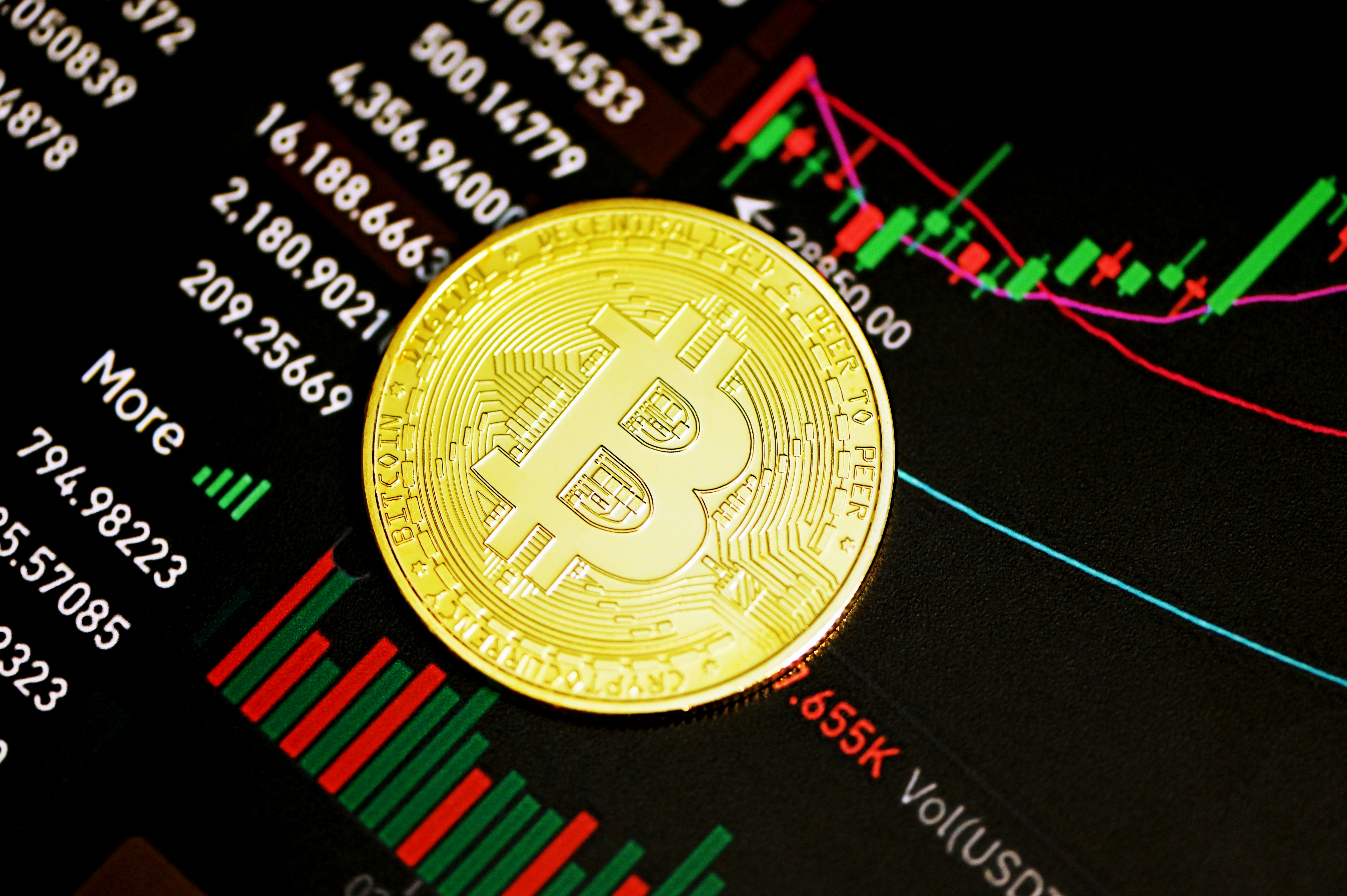
Introduction to Bitcoin Price
Bitcoin, often referred to as a pioneering digital currency, was created in 2009 by an anonymous entity known as Satoshi Nakamoto. It emerged as a decentralized alternative to traditional currencies, enabling peer-to-peer transactions without the need for intermediaries. This innovative framework not only facilitates a range of financial activities but also introduces the concept of blockchain technology, which serves as a public ledger for all transactions, ensuring transparency and security.
The significance of Bitcoin’s price extends beyond mere financial metrics; it serves as a barometer for the overall cryptocurrency market, influencing investor sentiment and engagement. In the early stages of its inception, Bitcoin’s price was nearly negligible, with the first recorded transaction occurring when 10,000 BTC was exchanged for two pizzas in 2010. Since then, the price has witnessed exponential growth, reaching all-time highs that have captured the attention of both institutional and retail investors alike.
Numerous factors contribute to the volatility of Bitcoin’s price, including market demand, regulatory developments, technological advancements, and macroeconomic trends. For instance, increased adoption by businesses for transactions bolsters demand, while regulatory news can trigger market reactions that dramatically shift price dynamics. Moreover, the supply of Bitcoin is capped at 21 million units, creating scarcity, which can further influence pricing as the market matures.
As of October 2023, Bitcoin continues to operate within a complex ecosystem, impacted by various external variables. Understanding Bitcoin’s price movements not only provides insights into the cryptocurrency itself but also into the broader implications for the financial landscape at large. With ongoing interest and investment, Bitcoin remains a critical focal point in discussions surrounding digital currencies and their role in the future of global finance.
Factors Influencing Bitcoin Price
The price of Bitcoin, the leading cryptocurrency, is subject to a wide array of influences that contribute to its highly dynamic market behavior. One of the primary factors is the balance of market demand and supply. As more investors show interest in Bitcoin, whether for speculative trading or long-term investment, the demand increases. When demand outpaces supply, prices tend to rise, often resulting in significant price spikes.
Investor sentiment also plays a pivotal role in Bitcoin price changes. Factors such as market news, social media trends, and endorsements from influential figures can sway public perception and lead to rapid price fluctuations. For instance, positive news regarding Bitcoin’s acceptance by major financial institutions usually leads to an increase in investor confidence, further driving up demand.
Regulatory news is another critical element influencing Bitcoin prices. Governments around the world remain hesitant as they attempt to formulate frameworks governing cryptocurrency. Announcements concerning potential regulatory restrictions often lead to price falls, while favorable legal news can initiate price surges. Technological advancements, including updates to the Bitcoin protocol and the broader crypto ecosystem, also contribute to Bitcoin’s valuation. Innovations can enhance scalability, security, and usability, thereby attracting more users and investors.
Macroeconomic trends cannot be overlooked when analyzing Bitcoin price dynamics. Inflation concerns, currency fluctuations, and shifts in the global economy create an environment where investors consider Bitcoin as a hedge against traditional financial risks. Moreover, trading volume and liquidity are vital as they determine how easily Bitcoin can be bought or sold without significantly affecting its price. Low liquidity often results in heightened volatility. The interrelation of these factors exemplifies the complex landscape that dictates Bitcoin’s price movements, as demonstrated by historical price changes following significant news events or market trends.
Analysis of Bitcoin Price Trends
The price dynamics of Bitcoin have exhibited significant fluctuations since its inception in 2009. Analyzing historical price trends reveals various patterns that have emerged over different time frames, showcasing a complex interplay of market forces. One key aspect to consider is the all-time highs and lows that Bitcoin has experienced. For instance, the peak price reached in December 2017, when Bitcoin soared to nearly $20,000, set a benchmark that influenced market sentiment for years to come. Conversely, the downturn in early 2018, where prices plummeted to around $3,000, illustrated the volatile nature of this cryptocurrency.
To further comprehend Bitcoin price behavior, it is essential to analyze bullish and bearish trends. Bull markets in Bitcoin history, characterized by increasing prices and heightened investor confidence, occurred in waves, creating potential opportunities for traders. During these periods, technical analysis tools, such as trend lines and moving averages, become vital in identifying trend continuations and reversals. Conversely, bear markets, wherein prices decline and sentiment shifts towards fear, also demonstrate distinct price movements that traders must analyze to make informed decisions.
Traders often utilize market indicators, such as the Relative Strength Index (RSI) or Moving Average Convergence Divergence (MACD), to gauge momentum and potential price reversals. These tools assist in understanding whether Bitcoin is overbought or oversold, giving insights that can forecast future price movements. Historical data play a crucial role in shaping predictions, as recognizing recurring patterns in price dynamics can serve as a foundation for anticipating future trends. Understanding these price trends not only informs trading strategies but also helps investors navigate the complex cryptocurrency landscape.
Future Predictions and the Evolution of Bitcoin Price
The future of Bitcoin price remains a topic of intense scrutiny and speculation within the cryptocurrency community and the broader financial sector. As of now, several factors are foreseen to influence its trajectory in the coming years. One major development is the increasing interest from institutional investors, which is expected to contribute to greater demand and potentially higher price levels. Corporate adoption of Bitcoin as a treasury reserve asset could also signify a shift towards mainstream acceptance, further propelling its valuation.
Bitcoin Exchange-Traded Funds (ETFs) are another significant innovation anticipated to reshape the market. With the Securities and Exchange Commission slowly approving various ETFs, these products could simplify the investment process for a broader audience. As more retail investors gain access through ETFs, this influx of capital could assist in driving up the Bitcoin price, supporting sustained growth patterns.
Moreover, the global economic climate plays a critical role in Bitcoin’s future. Factors such as inflation rates, governmental monetary policies, and economic stability can either act as catalysts or barriers to price increases. A deteriorating economic outlook might lead more investors to see Bitcoin as a ‘safe haven’ asset, driving up demand. Conversely, regulatory interventions in key markets could pose risks, affecting investor sentiment and trading activities.
Investors should remain vigilant regarding market developments. An informed approach is essential, as the cryptocurrency space is notoriously volatile and influenced by myriad factors—technological advancements, regulatory changes, and macroeconomic trends. Having a clear understanding of these dynamics enables investors to make educated decisions. Evaluating potential scenarios, including downturns and bullish trends, constitutes a necessary part of risk management in the evolving landscape of Bitcoin’s price.

