
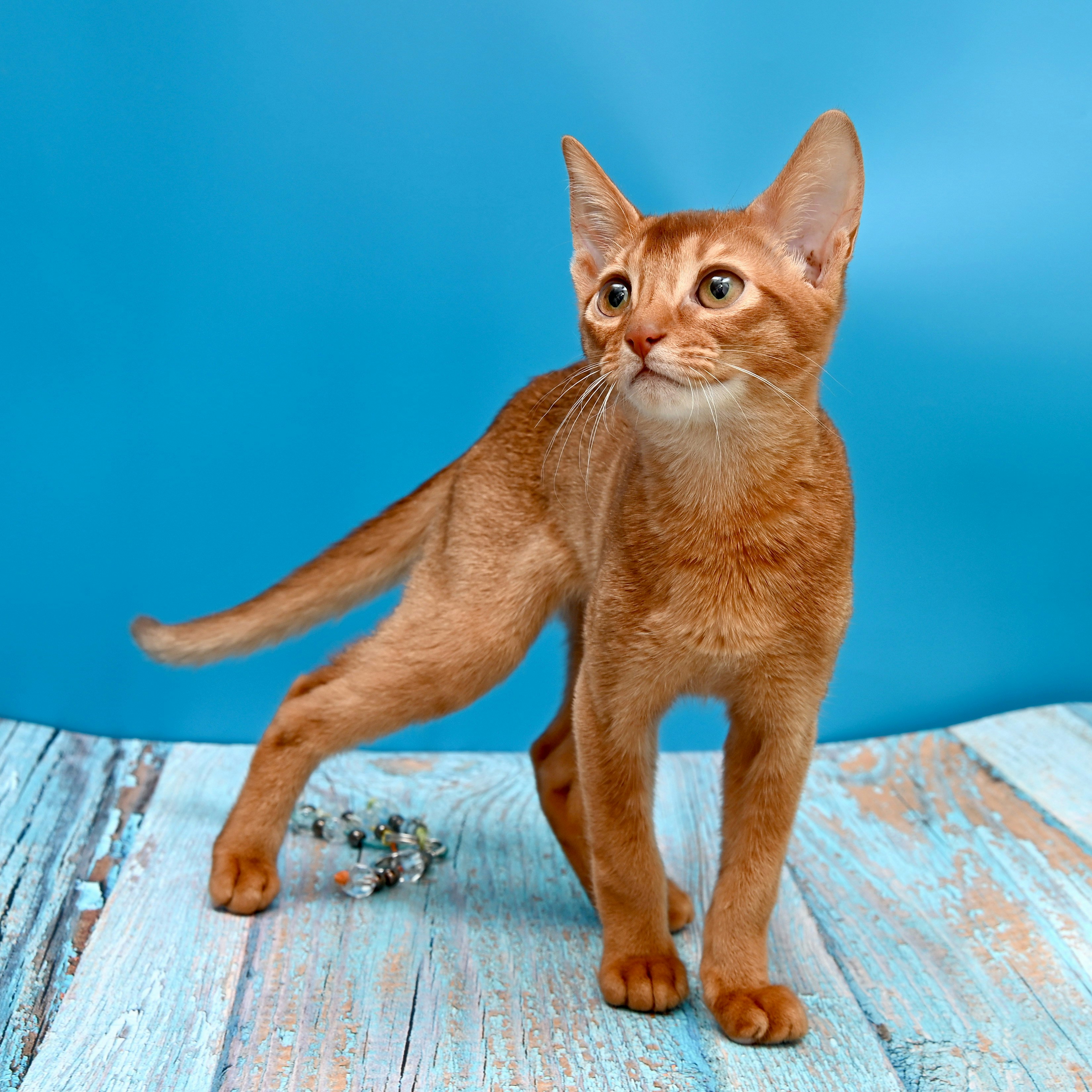
The Allure of Red Cats
Red cats, characterized by their vibrant coats that can range from a deep amber to a bright orange hue, have captivated the hearts of many feline enthusiasts. Their striking appearance often sets them apart from other cats, making them a favorite among pet owners and admirers alike. The allure of red cats extends beyond their striking color; it encompasses their distinctive physical characteristics, charming personality traits, and an intriguing connection to various breeds.
The most commonly recognized breeds featuring red coats include the Domestic Shorthair, Maine Coon, and Abyssinian. Each of these breeds presents its unique stories and quirks, but all hold a certain charm that attracts attention. For instance, the Maine Coon is known for its tufted ears and bushy tail, while Abyssinians showcase a ticked coat that enhances their red coloration. These physical features, coupled with their lively personalities, contribute to the overall enchantment of red cats.
In addition to their physical traits, red cats are often celebrated for their vivacious and affectionate nature. They tend to be social, playful, and highly interactive, making them excellent companions. Despite these positive attributes, various misconceptions surround red cats, including the notion that they are more aggressive or dominant compared to other colors. However, personality traits are more influenced by individual character and upbringing than by fur color alone.
Historically, red or orange cats have held significance in various cultures. They have been depicted in literature, art, and folklore, often symbolizing warmth, good fortune, or companionship. Their presence in media has further solidified their status as beloved creatures. Overall, the charm of red cats is multifaceted, making them not just visually appealing but also rich in personality and cultural history.
Understanding Red Cat Stock: Types and Breeds
Red cats, often referred to as ginger or orange cats, display a charming range of colors and personalities across various breeds. Among the most popular types, the Domestic Shorthair stands out for its diverse appearance and amiable nature. This breed, known for its short, dense coat, comes in various colors, including shades of red. Domestic Shorthairs are adaptable and make excellent pets, fitting well into both single and family environments. Their friendly demeanor often makes them more approachable, and they generally require minimal grooming.
Another breed worth noting is the Maine Coon, renowned for its impressive size and tufted ears. These majestic cats often exhibit a stunning red coloration that further highlights their rugged appearance. Maine Coons are known for their friendly and sociable temperament, often referred to as ‘gentle giants.’ They require a moderate amount of grooming due to their longer fur, and owners should be prepared to provide regular maintenance to prevent matting.
The Abyssinian also deserves mention, characterized by its distinct ticking pattern in its short coat, which can include beautiful shades of red. This breed is known for its playful and energetic nature, requiring plenty of engagement and interaction. Abyssinians exhibit a curious personality, making them highly social animals that thrive on companionship. Their high energy levels necessitate regular playtime and activities to keep them mentally and physically stimulated.
The genetic factors that contribute to a cat’s red coat primarily involve the presence of specific genes responsible for pigment production. The orange color in cats is the result of the O gene, which affects the pathway of red pigment synthesis. Understanding these factors and the distinct traits of each breed can help potential cat owners make informed decisions regarding the type of red cat that best fits their lifestyle and preferences.
Caring for a Red Cat: Essential Tips
Caring for a red cat requires a comprehensive understanding of its unique dietary needs, grooming requirements, and overall health considerations. Red cats are often characterized by their vibrant coats and playful personalities, necessitating a diet rich in high-quality proteins and essential nutrients to maintain their energy levels and promote healthy fur. It is advisable to choose a well-balanced cat food that lists meat as the primary ingredient, ensuring the cat receives the necessary amino acids critical for its development.
Grooming is another vital aspect of care for red cats. Regular brushing helps to remove loose fur and prevent matting, especially in longhaired breeds. Additionally, grooming sessions facilitate bonding between the pet and its owner. An ideal grooming routine includes brushing several times a week while paying attention to the cat’s skin and coat condition. Utilizing cat-safe shampoos and conditioners during occasional baths can further enhance the coat’s luster and vibrancy.
Health considerations for red cats should not be overlooked. Routine veterinary check-ups are crucial for early detection of potential health issues, including obesity, dental problems, and hereditary conditions. Vaccinations play a significant role in ensuring the cat’s well-being, protecting against diseases such as feline viral rhinotracheitis and feline calicivirus. Owners should also be aware of the common health challenges that may affect red cats, such as skin conditions or allergies, and consult a veterinarian when symptoms arise.
Preventative care practices, including maintaining an appropriate weight and providing regular exercise, are essential for their longevity and quality of life. Engaging red cats in interactive play not only fulfills their physical activity needs but also stimulates their mental health. By following these comprehensive care guidelines, owners can ensure that their beloved red cats remain happy, healthy, and vibrant companions.
Incorporating Red Cats into Your Home
Creating a welcoming environment for red cats requires thoughtful consideration of various factors that contribute to their well-being. First and foremost, selecting the right space within your home is crucial. Red cats benefit from environments that offer both cozy resting areas and active play zones. Designate a quiet corner or a soft bed that provides comfort, while ensuring plenty of room for exploration and play, preferably in well-lit areas that stimulate their natural curiosity.
Equipping your home with toys and scratching posts is another essential step in enriching the living space for red cats. These engaging elements not only entertain but also encourage natural behaviors such as climbing and scratching, essential for their mental and physical health. Opt for a variety of toys that cater to their playful instincts, including puzzle toys and interactive laser pointers that stimulate their hunting skills. Additionally, invest in sturdy scratching posts and climbing structures to facilitate their need for exercise and territorial marking.
Socialization plays a vital role in the happiness and stability of a red cat in your home. Fostering an environment where they feel safe and secure is fundamental. If there are other pets or family members, introducing the red cat to them gradually will ease any potential tensions. Initial interactions should be supervised, allowing the red cat to acclimate to new scents and sounds at their own pace. Positive reinforcement, such as treats and gentle praise, can help enhance their experience during these introductions.
Moreover, developing a strong emotional bond with your red cat is integral to a mutually fulfilling relationship. Spend quality time engaging in activities that they enjoy, which may include playtime, grooming, or simply cuddling. Establishing this connection not only contributes to their happiness but also promotes a sense of security in their new environment, ultimately leading to a harmonious living situation.

