
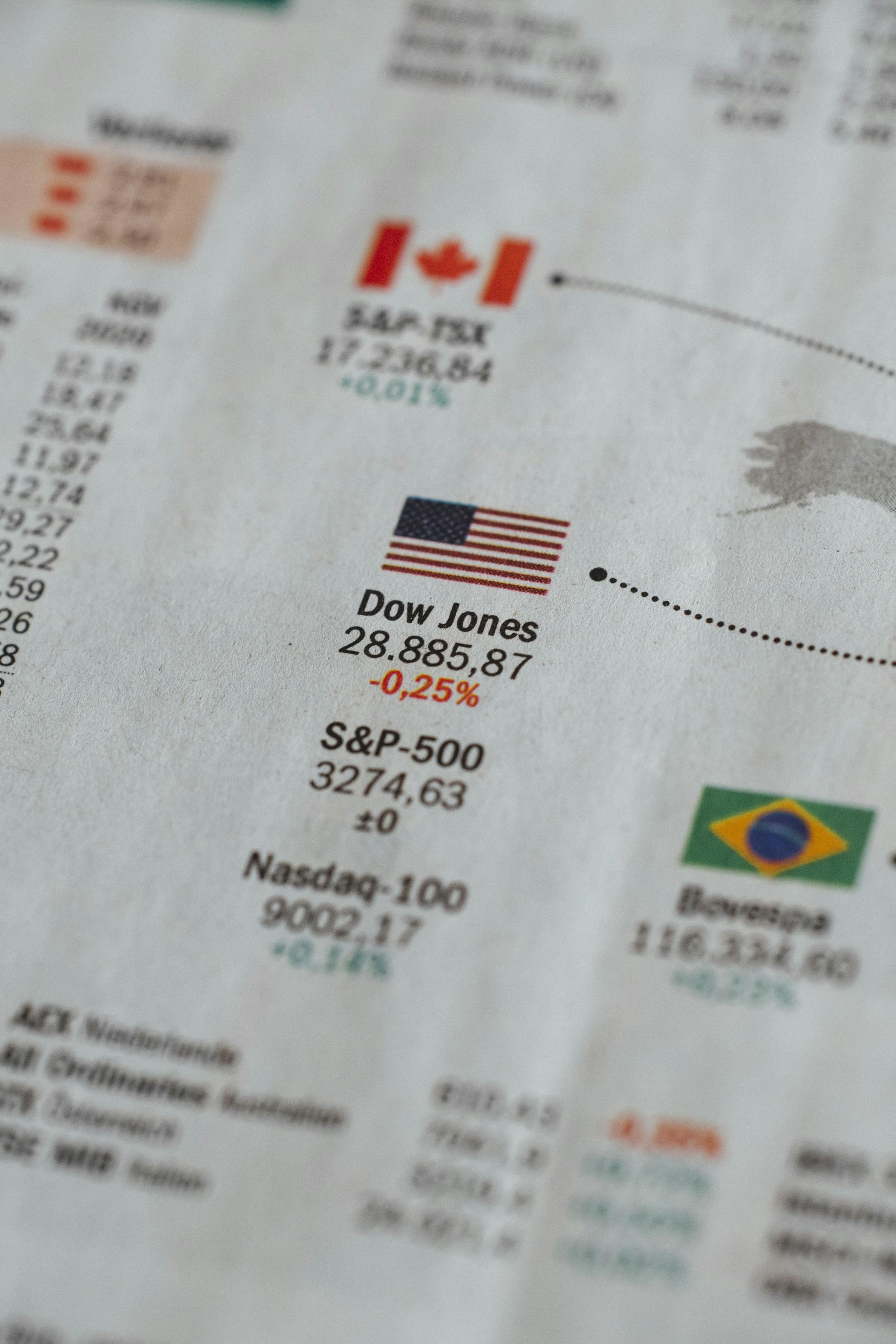
Overview of Today’s Russian Stock Market Performance
In today’s trading session, the performance of the Russian stock market showcased a relatively stable but uneventful day, with the MOEX Russia Index, which serves as a barometer for the overall market, concluding the day unchanged. This lack of significant movement reflects a cautious sentiment among investors, influenced by a combination of external factors and local economic considerations.
Throughout the trading day, key indices exhibited a mixed performance. Certain sectors, particularly energy and materials, demonstrated modest fluctuations. The volatility was observed predominantly among major stocks, with some experiencing gains while others faced declines. Notably, shares of prominent companies such as Gazprom and Sberbank fluctuated but ultimately closed near their opening levels, a clear indication of the market’s indecisiveness amid prevailing conditions.
Additionally, external factors have played a pivotal role in shaping today’s market landscape. Geopolitical tensions, particularly between Russia and Western nations, remain a significant concern for investors, contributing to a cautious trading atmosphere. Moreover, the release of economic data points, both domestically and internationally, has sparked discussions among market participants, affecting trading strategies. For instance, fluctuations in oil prices and currency exchange rates have also been factors influencing traders’ decisions, leading to a sentiment of restraint as market players assess the implications of these developments.
Overall, the day’s trading activity underscores the complexities faced by the Russian stock market. Investors continue to navigate through uncertainties, resulting in a market atmosphere characterized by caution. As conditions evolve, market participants will be closely monitoring both regional and global influences that could further impact trading dynamics in the coming days.
Factors Contributing to the Lower Stock Prices
The recent decline in Russian stock prices can be attributed to a confluence of various factors that have collectively influenced market dynamics. One of the primary contributors has been the prevailing global market trends. As international economic indicators fluctuate, many investors adopt a cautious approach to emerging markets, including Russia. The ongoing geopolitical tensions, particularly those involving sanctions, have further compounded this unease, leading to a decrease in foreign investments and impacting the overall performance of the Moscow Exchange (MOEX) Russia Index.
Investor sentiment serves as a critical driver of stock prices, and current perceptions of the Russian market reflect a growing apprehension. The volatility in global asset prices, fueled by inflation concerns and central bank policy changes, has reverberated across the investment landscape. As investors become increasingly risk-averse, capital tends to flow away from perceived riskier assets, which has placed downward pressure on Russian stocks.
Currency fluctuations also play a significant role in determining stock performance within the Russian market. The depreciation of the ruble against major currencies can lead to diminished purchasing power for domestic investors and constrain the profitability of companies reliant on imports. This scenario often erodes investor confidence, resulting in stock sell-offs and lower valuations. Additionally, shifts in the policies implemented by the government can impact market sentiment. Recent announcements regarding regulatory measures or changes in taxation can create uncertainty, affecting investment decisions.
Moreover, specific sectors within the Russian economy have also faced their own challenges. The energy sector, a major pillar of the Russian marketplace, has been affected by fluctuating oil prices and evolving supply chain dynamics. As energy exports contribute significantly to the national revenue, any decline in this sector has a far-reaching impact on the overall market atmosphere. Thus, the interplay of global trends, investor sentiment, currency issues, government policies, and sector-specific challenges continues to shape the trajectory of Russian stock prices.
The MOEX Russia Index: A Closer Look
The MOEX Russia Index, previously known as the MICEX Index, is a key barometer of the Russian stock market and serves as an essential indicator of overall economic health in the country. It is composed of the top 50 liquid stocks traded on the Moscow Exchange, which encompass a variety of sectors, including energy, finance, telecommunications, and consumer goods. The index is calculated using a free-float market capitalization methodology, which takes into account only the shares available for trading in the open market. This approach ensures that the index accurately reflects the real market conditions and investor sentiment.
During trading sessions, the performance of the constituent stocks directly influences the movements of the MOEX Russia Index. Traditionally, heavyweight companies such as Gazprom, Lukoil, and Sberbank dominate its composition. Their individual stock performance can significantly sway the index, which is often responsive to domestic economic news, geopolitical events, and global market trends. On the most recent trading day, fluctuations in these major stocks caused the MOEX Russia Index to remain unchanged, indicating a period of stabilization amid prevailing market uncertainties.
Historically, the MOEX Russia Index has demonstrated both resilience and volatility, reflecting significant transitions within the Russian economy. From its inception in 1994 through the economic turmoil of the late 1990s and the financial crisis of 2008, the index has seen substantial shifts, responding to various internal and external factors that influence investor confidence. Analyzing the historical performance of the MOEX Russia Index offers insight into the broader dynamics of the market, making it a crucial reference point for investors and analysts alike. This index is not only a vital tool for tracking market performance but also serves as a reflection of the economic landscape in Russia.
Market Outlook and Future Projections
The Russian stock market is currently navigating through a challenging economic landscape, raising questions about its future trajectory. Analysts have varied opinions, citing a mixture of hope for gradual recovery and concerns regarding continued declines. Key factors influencing the outlook include geopolitical tensions, fluctuations in oil prices, and the country’s overall economic performance.
Market analysts suggest that the MOEX Russia Index will experience volatility as the market responds to external influences and domestic policy changes. Some experts anticipate that a potential stabilization of oil prices may provide a cushion for Russian stocks, as energy is pivotal to the national economy. However, uncertainties stemming from ongoing sanctions and international relations remain a significant impediment to robust market performance.
Investor strategies are evolving in light of these conditions. A cautious approach focusing on defensive stocks is suggested, with particular attention to sectors that are less impacted by geopolitical events. Analysts emphasize the importance of diversifying portfolios and considering investment options in foreign markets to mitigate risks associated with domestic volatility.
Looking forward, key indicators will be crucial for understanding the market’s direction. Investors should monitor governmental policy announcements, changes in trade conditions, and economic data releases, especially those relating to industrial production and inflation rates. Furthermore, the impact of organizational sanctions on various sectors is expected to shape investor sentiment.
In conclusion, the future of the Russian stock market remains uncertain, influenced by both domestic and international factors. While some analysts predict a potential recovery driven by certain global economic conditions, others caution against overoptimism. A close eye on market developments and strategic investment approaches will be essential for navigating the upcoming trading sessions.

