
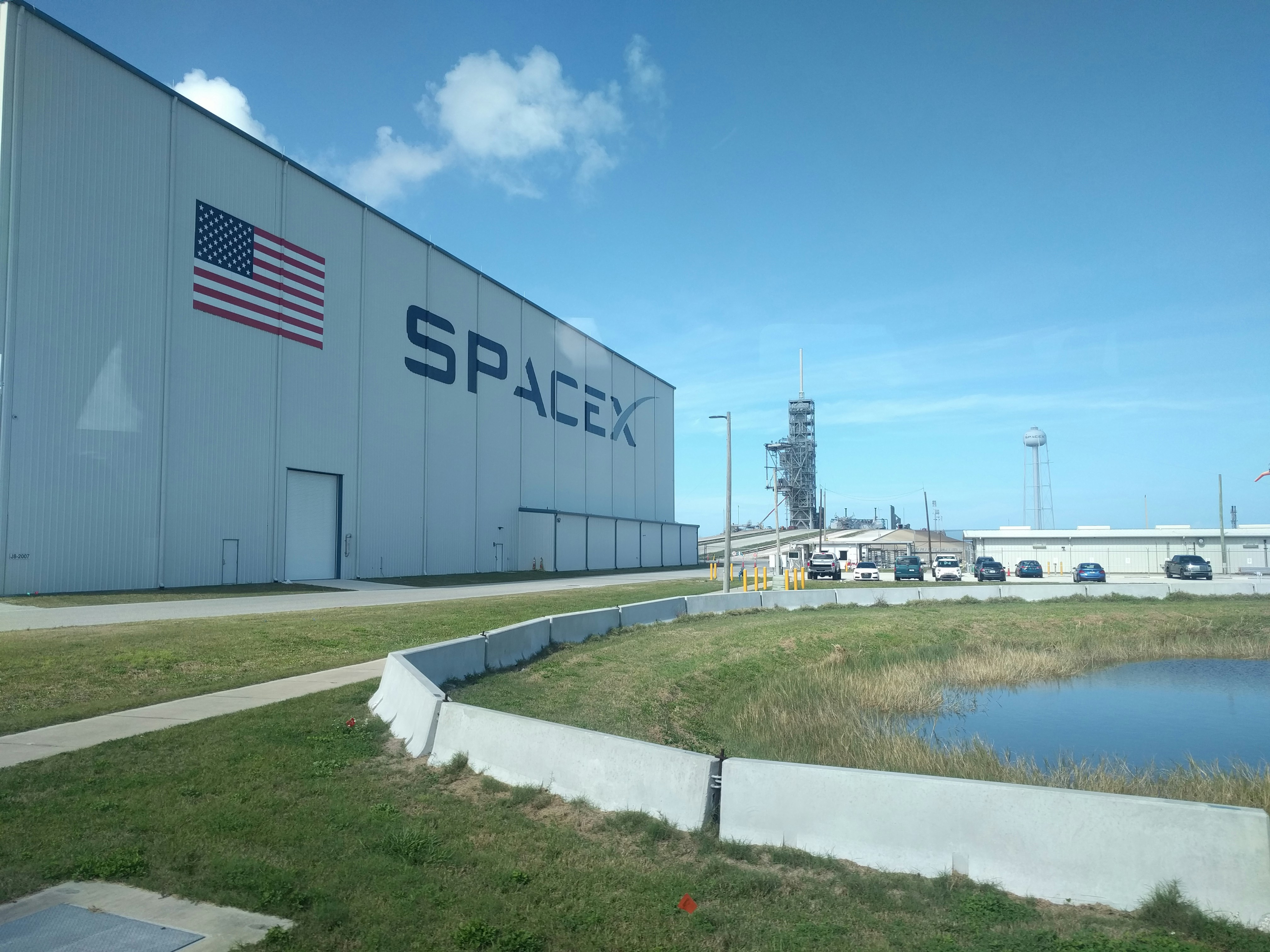
Understanding SpaceX’s Decision to Consider an IPO
SpaceX, a trailblazer in the aerospace industry, is contemplating an initial public offering (IPO) as a strategic move to fuel its ambitious growth objectives. The company’s financial trajectory has shown remarkable upward momentum, highlighted by an increasing number of successful launches and significant contracts with various government and commercial entities. This robust performance has generated speculation about the potential for an IPO, allowing SpaceX to access capital markets for enhanced operational funding.
Recent developments within SpaceX, including the completion of the Starship spacecraft and the expansion of its satellite constellation, underscore its commitment to advancing space technology. The company has made substantial investments in these projects, elevating its position in a sector characterized by rapid innovation and expanding opportunities. As the demand for satellite launches surges, SpaceX has solidified its reputation as a leading provider, successfully leveraging its cost-effective reusable rocket technology to attract clients. This growing market, fueled by increasing global communication needs and scientific exploration, presents a fertile landscape for stakeholders in the space industry.
Furthermore, an IPO could serve as a pivotal mechanism for accelerating SpaceX’s goals. By transitioning to a publicly traded entity, SpaceX would be able to tap into a broader pool of financial resources. This capital injection would not only support existing initiatives but also enable the company to embark on new projects and explorations, including potential missions to Mars. As the space industry evolves, players like SpaceX are well-positioned to capitalize on the shifting dynamics. The prospect of an IPO signifies not just a financial maneuver, but rather a strategic alignment with the burgeoning demands of a rapidly changing technological landscape.
Implications of a SpaceX IPO for Investors
The potential initial public offering (IPO) of SpaceX stands to reshape the landscape for both institutional and retail investors significantly. An IPO would allow investors to participate in one of the most innovative aerospace companies in the world, which has achieved notable milestones such as operational missions to the International Space Station and the deployment of the Starlink satellite network. Experts estimate that a SpaceX IPO could fetch a company valuation of anywhere from $100 billion to $150 billion, driven by its cutting-edge technology and substantial government contracts.
For retail investors, this could mean access to stock shares that were previously available only to private equity investors and venture capitalists. The type of shares available during the IPO, whether common or preferred, will impact investor returns and rights. Common shares usually provide voting rights but might come with higher volatility, while preferred shares tend to offer fixed dividends and priority on asset liquidation, albeit typically without voting rights. Retail investors should remain informed of the share structure to optimize their investment strategy.
Furthermore, early investors could reap substantial rewards as they benefit from price appreciation post-IPO. Historically, companies that go public often experience an initial surge in stock price. However, it’s essential to consider the inherent risks, including market volatility that can significantly affect stock performance. The reliance of SpaceX on government contracts and partnerships poses additional uncertainties; fluctuations in government funding or shifting political climates can impact revenue streams. Navigating these risks requires careful consideration, as expert opinions caution that while SpaceX presents tremendous growth potential, substantial investments in such high-stakes environments demand rigorous due diligence and a well-rounded investment strategy.
Impact on SpaceX’s Operations and Future Goals
The prospect of an initial public offering (IPO) for SpaceX represents a significant turning point in the organization’s trajectory. An IPO could provide essential capital, enabling the company to accelerate the execution of its ambitious projects, most notably the Starship program and Mars colonization. With substantial funding from public investors, SpaceX would have enhanced financial resources to broaden its research, development, and operational capabilities. This expanded capital pool could potentially lead to advancements in technology that align with SpaceX’s long-term mission objectives of making life multi-planetary.
However, transitioning to a publicly traded company could also bring about shifts in management and corporate governance structures. The increased scrutiny from shareholders could necessitate a more structured approach to leadership and decision-making. While the organizational culture of innovation has undoubtedly propelled SpaceX’s success thus far, the demands of being accountable to a broad investor base could impose certain constraints on its operational autonomy. Balancing corporate responsibility with its pioneering spirit would be crucial for SpaceX as it navigates the complexities of being a public entity.
Moreover, being publicly traded could enhance transparency and accountability, catering to investors’ demands for clarity regarding financial performance and strategic direction. This change may cultivate a culture of enhanced reporting practices but might also introduce challenges related to maintaining proprietary technology and processes amidst increased oversight. Examining the case studies of other space organizations like Blue Origin and Virgin Galactic, both of which experienced shifts in their operational and strategic frameworks after going public, provides essential context. The outcomes seen in these organizations underscore the potential benefits and complications SpaceX may face as it contemplates an IPO, making the analysis of these precedents integral to understanding the broader implications for SpaceX’s future aspirations.
Community and Industry Reactions to IPO News
The announcement of SpaceX’s potential initial public offering (IPO) has elicited a diverse range of reactions from various stakeholders, including industry experts, insiders, the entrepreneurial community, and the general public. Initially, analysts have weighed in on the timing of this IPO, suggesting that the current climate for technology and aerospace stocks may provide a favorable backdrop for such a move. With the increasing interest in commercial space ventures, many see this as an opportune moment for SpaceX to capitalize on its established reputation and innovation in the sector.
Industry insiders have expressed optimism regarding the potential IPO, highlighting that SpaceX’s significant milestones in satellite deployment and crewed spaceflights position it well within a burgeoning market. There appears to be a consensus among experts that, if structured properly, the IPO could bolster the company’s financial strength while offering public investors a chance to participate in the future of space exploration. Furthermore, the competitive landscape, with several entrants vying for market share, emphasizes the need for SpaceX to secure further investment to maintain its leadership status.
The entrepreneurial community has responded with enthusiasm, viewing implications for increased funding opportunities in the space sector and fostering potential growth in related industries. This sentiment has also been echoed amongst the general populace, as public interest in space exploration has surged. Social media discussions reveal a growing curiosity about the capabilities and ambitions of commercial space ventures, painting a picture of an engaged and excited audience that is eager to see the results of the IPO.
However, some skepticism remains regarding sustainable practices and the ethical implications of commercializing space. Critics worry about the prioritization of profit over environmental responsibilities. Overall, the responses to SpaceX’s IPO news reflect a complex tapestry of optimism and caution, suggesting that the implications for the industry may be far-reaching.

