
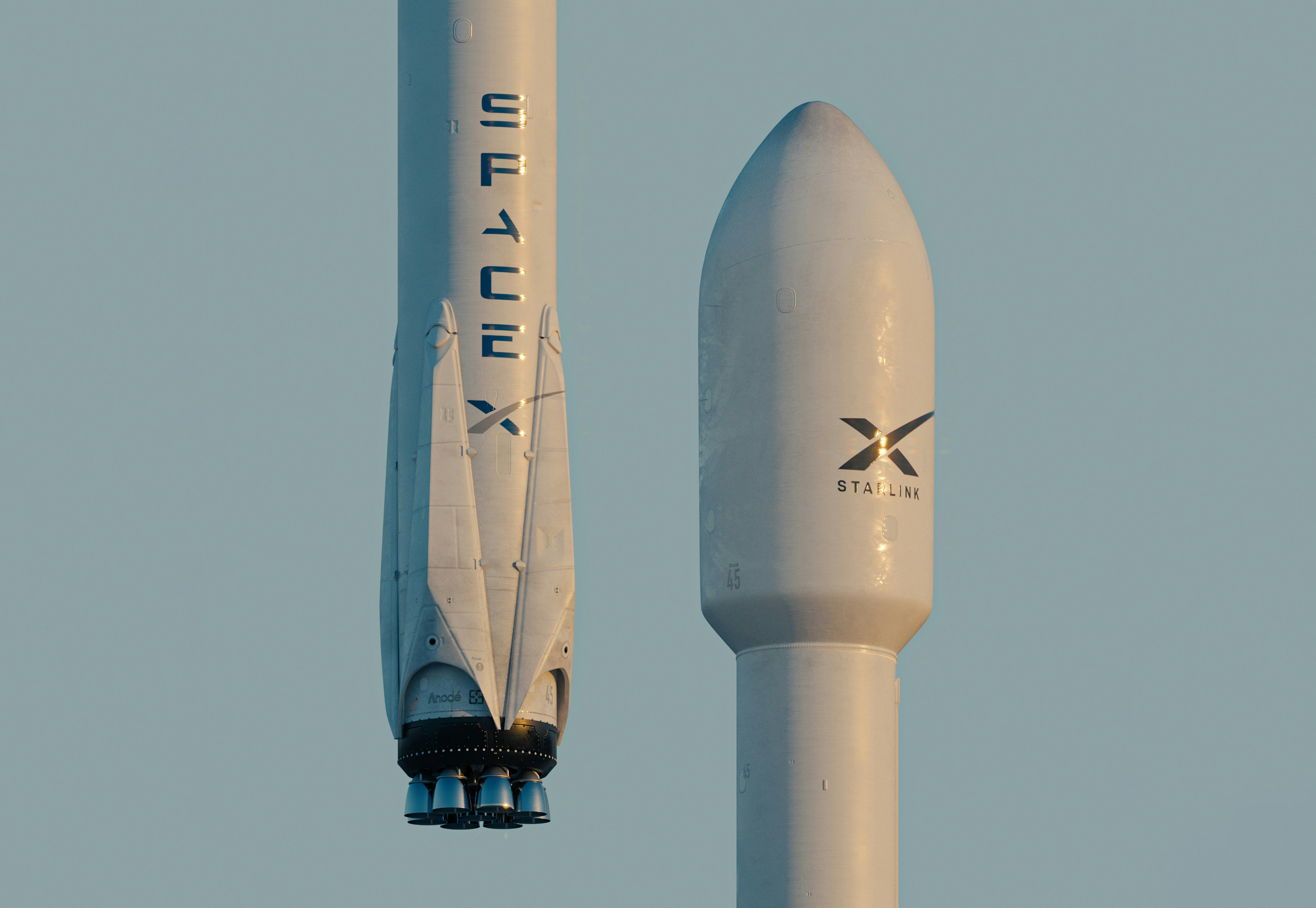
Introduction to SpaceX and Its Partnership with Google
Space Exploration Technologies Corp., better known as SpaceX, was founded in 2002 by Elon Musk, with the ambitious mission of reducing space transportation costs and enabling the colonization of Mars. From its inception, SpaceX has aimed to revolutionize aerospace technology, leading to several significant milestones. The Falcon 1, the first privately developed liquid-fueled rocket to reach orbit, was launched successfully in 2008. Following this, SpaceX developed the Falcon 9 and Falcon Heavy rockets, which have become central to both commercial satellite launches and resupply missions to the International Space Station (ISS).
The strategic partnership between SpaceX and Google began to take shape in 2015, driven by mutual interests in advancing aerospace technology and data analytics. Google’s investment in SpaceX, estimated to be around $1 billion, aimed to harness the capabilities of both organizations to improve satellite internet technology and expedite the deployment of the Starlink constellation. The goal was to provide global high-speed internet access, especially in underserved regions.
This partnership was not only about financial investment but also aimed at integrating advanced artificial intelligence and machine learning capabilities into SpaceX’s initiatives. With Google’s expertise in data management and processing, both companies envisioned a collaboration that would enhance SpaceX’s satellite capabilities, making global internet access more efficient and widespread.
The importance of NASA contracts has played a pivotal role in establishing SpaceX as a frontrunner in the aerospace sector. By securing significant contracts from NASA for cargo resupply duties to the ISS and developing the Crew Dragon spacecraft for transporting astronauts, SpaceX has positioned itself as a leader in both commercial spaceflight and government partnerships. Through these efforts, along with their collaboration with Google, SpaceX is poised to reshape the future of space exploration and accessibility.
Financial Gains from the Collaboration
The partnership between SpaceX and Google has proven to be a lucrative venture for the tech giant. Over the years, Google’s strategic investments in SpaceX have not only supported the development of space-related technologies but have also significantly enhanced Google’s operational capabilities. The collaboration leverages SpaceX’s pioneering advancements in satellite technologies and rocket launches, which have contributed to Google’s ambitious goals in the realms of cloud computing and global connectivity.
SpaceX’s innovative projects, including the Starlink satellite internet service, align perfectly with Google’s requirements for scalable, high-performance data storage solutions. The infusion of capital by Google into SpaceX has enabled the latter to expedite its mission timelines, which consequently positions Google to capitalize on emergent opportunities in the satellite internet market. As more consumers demand reliable high-speed internet access, especially in underserved areas, Google stands to benefit enormously from its association with SpaceX, creating a potential new revenue stream.
Financial analysts have pointed out that each successful SpaceX mission not only reinforces investor confidence but also enhances Google’s market valuation. With the successful deployment of numerous satellites for the Starlink project, Google can potentially expect substantial returns from increased market share in internet provision through these services. Furthermore, as space becomes increasingly commercialized, the branding and technological synergies from the partnership could yield unprecedented growth opportunities, placing Google at the forefront of this new industry landscape.
Overall, the financial implications of the SpaceX and Google collaboration extend well beyond initial investments, encompassing a broader spectrum of opportunities and revenue channels that will likely strengthen Google’s profitability in the technology and communications sectors for years to come.
Strategic Advantages for Google
The partnership between Google and SpaceX has yielded substantial strategic advantages for Google, particularly in the realm of satellite communications technology. This collaboration allows Google to harness advanced technologies that enhance its existing services, such as Google Cloud and Google Maps. By utilizing SpaceX’s satellite network, Google can provide faster, more reliable connectivity and improve its geolocation services, enhancing the overall user experience.
One of the most significant benefits for Google is the seamless integration of satellite broadband capabilities into its cloud infrastructure. With direct access to SpaceX’s Starlink constellation, Google can offer customers improved latency and bandwidth, making its cloud services more competitive in the fast-evolving technology landscape. Furthermore, the enhanced geospatial data available through satellite imagery can refine Google Maps, making it an invaluable tool for businesses and consumers alike.
The strategic partnership also positions Google as a formidable player in the burgeoning space sector, which is expected to witness exponential growth in the coming years. By aligning itself with one of the most prominent players in space technology, Google reinforces its commitment to innovation and exploration. This partnership not only mitigates risks associated with technological obsolescence but also improves Google’s competitive advantages in a field poised for disruption.
Moreover, the collaboration underscores Google’s long-term vision regarding space technology. As industries expand to utilize satellite communications for various applications, including remote work and IoT connectivity, Google stands to benefit from early investments in advanced technologies. This foresight enables Google to not only enhance its current portfolio but also establish itself as a leader in future technological innovations related to space, creating opportunities for growth and diversification not just in telecommunications, but across multiple sectors.
Future Outlook: SpaceX and Google’s Joint Endeavors
The strategic partnership between SpaceX and Google has laid the groundwork for a promising future, poised to revolutionize several sectors through their collaborative initiatives. One of the most significant projects currently in development is the Starlink satellite constellation. This ambitious venture aims to provide global internet access, particularly in underserved and remote areas, enhancing connectivity where traditional infrastructure has failed. The implications of such pervasive internet reach could transform educational opportunities, drive economic growth, and open new avenues for remote work.
Moreover, the technological advancements emerging from this partnership in aerospace engineering and satellite communications are noteworthy. The integration of Google’s cloud computing capabilities with SpaceX’s innovative launch systems may streamline operations, enhance data processing capabilities, and expedite the deployment of additional satellites. This synergy not only enhances the Starlink initiative but could also lead to breakthroughs in artificial intelligence applications and machine learning models that are pivotal for managing vast networks of satellites effectively.
Despite the thrilling prospects, regulatory challenges and public policy constraints could impact the trajectory of their endeavors. As governments worldwide increasingly scrutinize space activities, compliance with evolving regulations will be crucial for both companies. Public sentiment regarding space exploration and satellite deployments will also shape policy decisions that may affect operational feasibility. Thus, SpaceX and Google must navigate a complex landscape of stakeholders and regulatory bodies to achieve their shared vision.
In contemplating the future of SpaceX and Google, it is evident that the collaboration presents both challenges and opportunities. While they face substantial hurdles, the potential rewards in terms of technological innovation, global connectivity, and economic growth make their joint efforts a focal point of interest within the aerospace sector. Therefore, continued investment in research and development will be vital to address challenges and capitalize on the possibilities ahead.

