
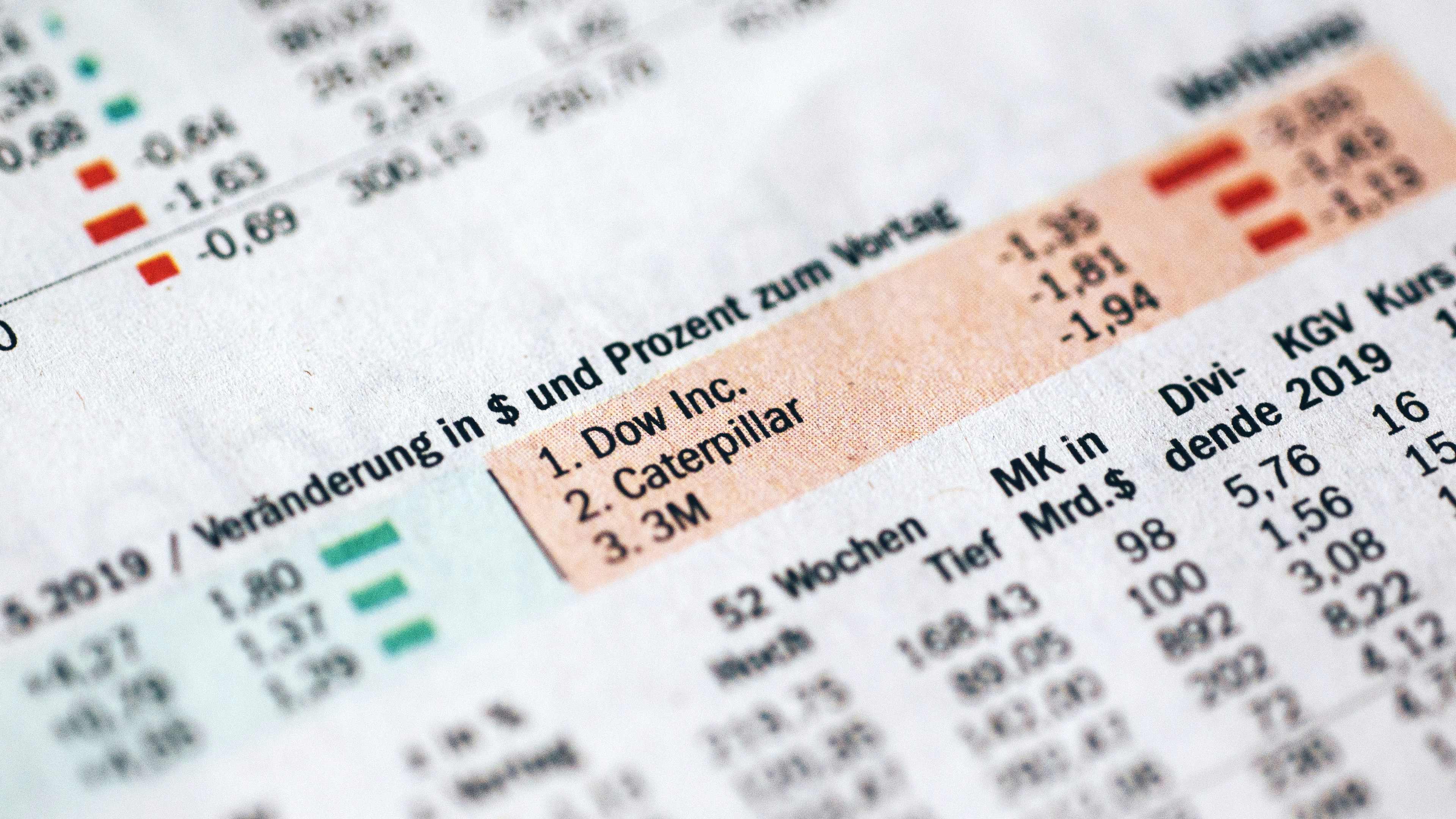
Understanding the Current Economic Landscape
Recent trends in the US economy present a multifaceted picture influenced by various key indicators, notably gross domestic product (GDP), employment rates, inflation, and consumer spending. These metrics serve as foundational elements in gauging economic health and performance. GDP growth has shown resilience, albeit at a decelerating pace. This shift raises questions regarding the sustainability of expansion amid rising interest rates and geopolitical uncertainties.
Additionally, employment rates have exhibited a relatively strong position, with job creation remaining robust in sectors such as healthcare, technology, and construction. However, labor market tightness raises concerns about wage inflation, which can, in turn, impact overall consumer spending. The interplay between job availability and wage growth plays a significant role in shaping consumer confidence and expenditure patterns.
Inflation, a pressing concern, has remained elevated, influenced by supply chain disruptions and increased demand post-pandemic. Recent data indicates a slight easing, sparking debates about whether this trend will continue or if persistent inflationary pressures will return. The implication for consumer spending, a critical engine for the economy, is significant; higher prices can restrict disposable income and ultimately dampen economic activity.
The combination of these factors contributes to what many describe as the ‘data fog’—the ambiguity surrounding the actual health of the economy. Market participants and policymakers grapple with interpreting mixed signals, making the forthcoming economic updates even more vital. Understanding these trends is crucial for informed decision-making, as they hold implications for fiscal policies, interest rate adjustments, and overall economic strategy. The intricate relationship between GDP growth, employment, inflation, and consumer behavior underscores the complexity of navigating the current economic landscape.
Key Economic Reports Scheduled for Release
This week, several significant economic reports are scheduled for release, which are likely to provide critical insights into the state of the US economy. Among these are employment statistics, inflation data, and retail sales figures, each of which plays a vital role in guiding investor strategy, policymaking, and consumer behavior.
First, the upcoming employment statistics report is highly anticipated. Released monthly, this data provides a comprehensive overview of job creation, unemployment rates, and wage growth. Analysts will be closely monitoring these figures, as they tend to directly influence Federal Reserve policy decisions. A robust job report may bolster consumer confidence, leading to increased spending, whereas a weaker report could raise concerns about economic stagnation.
Secondly, inflation data will be in focus this week. Investors and economists will analyze the Consumer Price Index (CPI) to gauge price changes across various sectors. Persistent inflation can erode purchasing power, affecting consumer spending and saving behavior. Furthermore, an increase in inflation may force the Federal Reserve to adjust interest rates. As a result, understanding this data is crucial for assessing the inflationary pressures facing the economy.
Additionally, retail sales figures are scheduled for release, providing insights into consumer spending trends, which account for a significant portion of economic activity. Strong retail sales are indicative of consumer confidence and a healthy economy, while a decline might suggest economic headwinds. This data is particularly relevant as businesses strategize around inventory management and pricing policies.
Lastly, updates from Federal Reserve meetings are scheduled, which are crucial for understanding the central bank’s outlook on the economy. Market participants will be particularly interested in any guidance related to monetary policy adjustments. Collectively, these economic indicators will shed light on the current economic landscape, offering valuable information to investors, businesses, and consumers alike.
Expert Analysis: Implications of Recent Data Releases
The recent release of economic data is pivotal in shaping the future conduct of monetary policy in the United States. Experts have provided a comprehensive analysis, indicating that the readings in unemployment, inflation, and GDP growth significantly influence federal policymakers’ decisions at the Federal Reserve. Economists suggest that steady job growth paired with modest inflation could lead the Federal Reserve to maintain interest rates in the short term. However, an unexpected surge in inflation pressures might compel the central bank to reconsider its approach and potentially increase rates sooner than anticipated.
In terms of broader market implications, analysts emphasize the importance of consumer spending data. A robust consumer expenditure report is seen as a positive sign, indicating resilience in household purchasing behavior. This resilience could support economic growth projections and bolster investor confidence in the equity markets. Conversely, any decline in consumer spending may raise alarm bells and shift expectations regarding monetary easing or tightening policies. Market strategists recommend keeping a close eye on trends, as reactions in financial markets could be swift should data deviate from predictions.
Looking Ahead: Preparing for Future Economic Trends
As we navigate through the current economic landscape, it becomes increasingly important to develop a proactive approach towards future economic trends. Recent data and releases provide valuable indicators that can assist businesses, investors, and consumers in making informed decisions. Understanding these emerging trends allows stakeholders to anticipate shifts in the market and adjust their strategies accordingly.
One of the key trends to monitor is the gradual transition towards sustainable practices. Environmental concerns are increasingly influencing corporate policies and consumer choices. Businesses that prioritize sustainability not only align with consumer values but may also find new opportunities for growth. This shift can open avenues for investment in green technologies and sustainable practices, which are expected to gain momentum in the coming years.
In addition to sustainability, technology’s role in the economy continues to expand. Advancements in automation, artificial intelligence, and data analytics are reshaping traditional industries. Companies embracing digital transformation can enhance operational efficiency and better meet consumer demands. It is crucial for businesses to stay abreast of technological developments and consider investing in innovative solutions to gain a competitive edge.
Furthermore, shifting demographic trends present both challenges and opportunities. As the workforce evolves, with a growing number of millennials and Gen Z entering the job market, organizations must adapt to new expectations regarding workplace culture and flexibility. Understanding these dynamics can better position firms to attract and retain talent, a key driver for long-term success.
In anticipation of these future developments, stakeholders should engage in strategic planning and scenario analysis. By forecasting potential outcomes based on available data, businesses and investors can develop contingency plans that facilitate flexibility amid uncertainty. This forward-looking perspective is essential for navigating the complexities of the evolving economic environment and ensuring resilience over time.

