
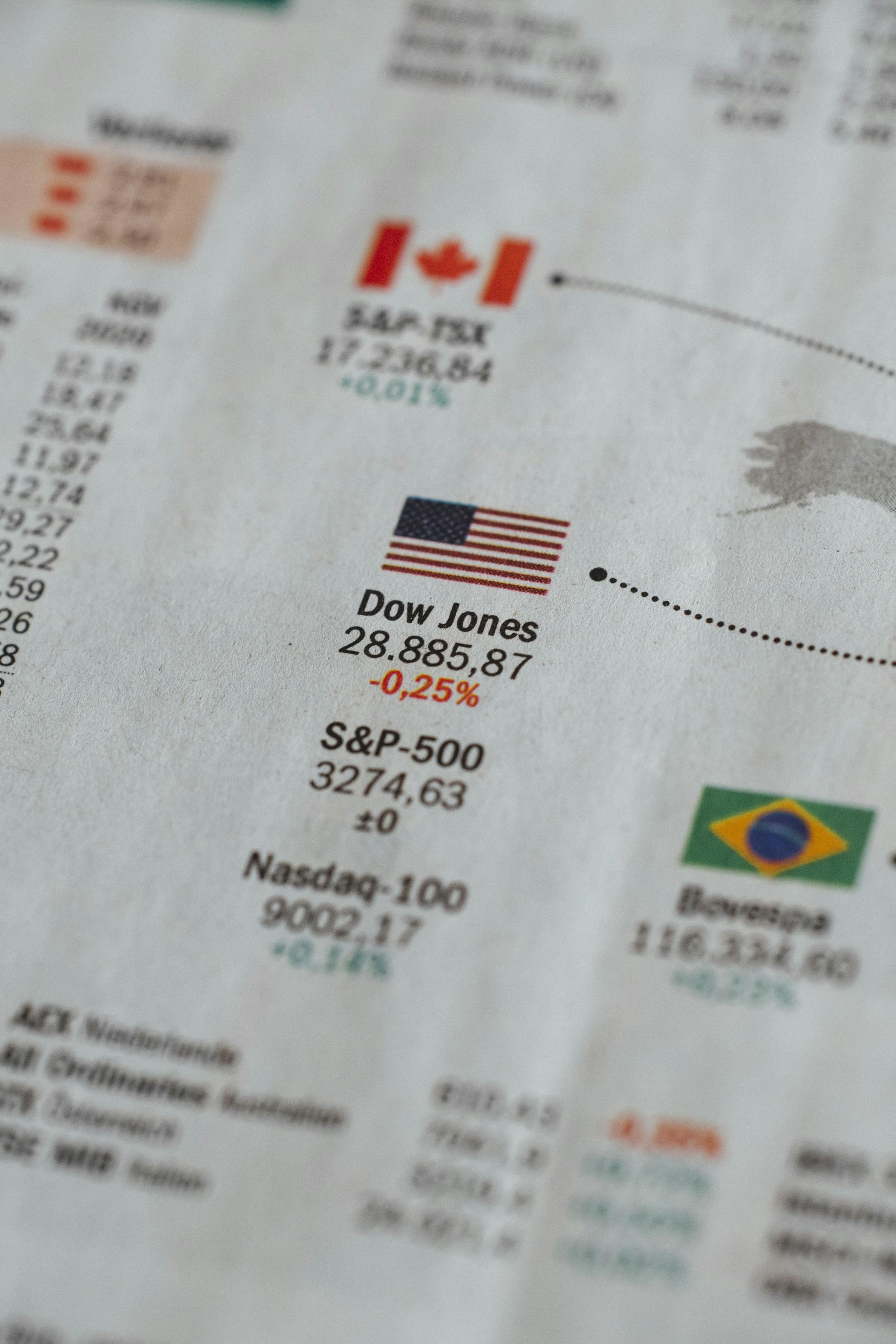
Understanding Rate Changes and Their Impact
Interest rates are a critical component of the global financial system, influencing various aspects of economic activity. At their core, interest rates represent the cost of borrowing money or the return on savings, impacting consumers, businesses, and investors alike. Typically, they are determined by the interplay of supply and demand in the money market, alongside the monetary policy decisions made by central banks. Central banks, such as the Federal Reserve in the United States or the European Central Bank in Europe, play an essential role in establishing benchmark interest rates, which can be raised or lowered to manage economic growth and inflation.
When central banks increase interest rates, the cost of borrowing rises. This leads to higher loan prices for consumers and businesses, which may ultimately reduce spending and investment. This contraction in economic activity can have widespread implications across various sectors, including real estate, where higher mortgage rates may deter home purchases. Similarly, businesses may scale back investments due to increased financing costs, leading to lower economic output overall.
Additionally, rising interest rates can significantly impact financial markets. For instance, bonds generally move inversely to interest rates; as rates increase, existing bond prices tend to decrease. Investors may shift their portfolios in response to these changes, favoring assets that are less sensitive to rate movements. On the stock market front, higher interest rates can lead to diminished earnings expectations for firms reliant on debt, while sectors like banking may benefit from increased net interest margins.
The commodities market is also influenced by interest rate fluctuations. Higher rates can strengthen a currency, making commodities priced in that currency more expensive for international buyers, potentially leading to decreased demand. Thus, understanding interest rate changes is pivotal for those involved in global markets, as they can shape economic conditions and investor sentiment.
Current Trends and Market Reactions
The global financial markets are currently navigating a landscape significantly influenced by the rise in interest rates. As central banks continue their efforts to combat inflation, including major entities like the Federal Reserve and the European Central Bank, investors are facing a period characterized by increased volatility and uncertainty. Recent data indicates a notable uptick in interest rates in numerous economies, which has triggered adjustments across various asset classes.
In equity markets, heightened interest rates tend to dampen investor enthusiasm for stocks, particularly within growth sectors such as technology. Many investors are recalibrating their portfolios, leaning towards value-oriented stocks that typically perform better in a high-rate environment. Recent trends show a notable pullback on riskier assets, with a shift towards more defensive positions as market participants seek refuge amidst the impending rate hikes.
Bond markets are responding predictably to these changes, with yields on government securities moving higher. This shift has made bonds increasingly attractive to income-seeking investors, albeit at the expense of existing bondholders whose portfolios are depreciating due to rising yields. Corporate bonds have similarly experienced increased scrutiny, leading to a widening of spreads as investors price in potential defaults attributed to heightened borrowing costs.
Internationally, emerging markets are facing their own set of challenges. Countries with significant external debt may experience currency depreciation as investors reassess risk, leading to capital outflows. Some commodity markets, particularly oil and precious metals, are also witnessing price fluctuations due to anticipated slowdown in global demand driven by tighter financial conditions. Market reactions to rising interest rates underscore the interconnectedness of global economies and the ripple effects across different asset classes.
Sector-Specific Impacts: Winners and Losers
The recent increase in interest rates has exerted significant pressure on various sectors of the global economy. Understanding these sector-specific impacts is crucial for investors aiming to navigate the changing landscape effectively. Notably, the financial and energy sectors have emerged as prominent beneficiaries of the rising rates. Financial institutions, particularly banks, typically experience improved margins as the cost of short-term borrowing increases relative to longer-term loans. This scenario augurs well for their profitability and overall performance in the market, allowing them to thrive even amidst the economic shifts.
On the other hand, sectors such as real estate and utilities have begun to feel the pinch as interest rates escalate. The rationale behind this is straightforward; higher rates generally lead to increased borrowing costs, which can weigh heavily on the affordability of mortgages and ultimately suppress housing demand. As a consequence, real estate investment trusts (REITs) and developers may face challenges in maintaining their profit margins. Utilities, which often rely on debt to finance capital projects, are similarly disadvantaged as the cost of borrowing rises, thereby straining their financial flexibility. This has raised concerns among investors about the sustainability of dividends in a higher interest rate environment.
Expert analyses suggest that as interest rates continue to evolve, more sectors may experience a divergence in performance. Investors are advised to stay vigilant and consider sector rotation strategies, where they reallocate their investments from underperforming sectors to those showing resilience or growth potential. Energy companies, for instance, may remain attractive due to rising demand and favorable pricing dynamics, driven in part by geopolitical tensions affecting supply chains. As such, a proactive approach to sector-specific investment strategies could mitigate risks while leveraging potential gains in this dynamic market landscape.
Looking Ahead: Future Projections and Market Sentiment
As global markets navigate the complex landscape of rising interest rates, financial analysts and economists are closely monitoring projections that could significantly shape future trends. The consistent upward trajectory of interest rates is anticipated to have far-reaching implications, influencing investor behavior, spending patterns, and overall economic growth. Analysts largely expect that central banks will remain vigilant in their approach, adjusting policies to manage inflation effectively while sustaining economic recovery.
The sentiment among investors appears to be cautiously optimistic, despite concerns surrounding rate hikes. Many market participants believe that proactive strategies may mitigate adverse outcomes associated with increased borrowing costs. Moreover, evolving macroeconomic indicators such as GDP growth, unemployment rates, and consumer confidence are pivotal in shaping expectations related to monetary policy. As rates rise, sectors like housing and consumer financing may experience shifts in demand, necessitating adjustments in investment strategies.
Geopolitical influences also play a critical role in shaping market sentiment. Factors such as international trade dynamics, political stability, and regulatory changes can create an environment of uncertainty. Investors must remain agile, considering both local and global events that could trigger fluctuations in interest rates or market volatility. For instance, any significant developments in trade relations or geopolitical conflicts may necessitate a reconsideration of projected economic growth and hence influence central banks’ decisions.
Furthermore, emerging markets are particularly sensitive to interest rate changes, as they often face the dual challenge of attracting foreign investment while managing domestic economic stability. As these markets react to shifts in U.S. monetary policy and global financial conditions, their responses will ripple through the entire economic landscape. Ultimately, the interplay of these various elements will define the future trajectory of global markets, underscoring the need for continuous analysis and adaptable investment strategies.

