Analyzing Walmart’s Stock Performance
If you’ve ever typed “Walmart stock Nasdaq” into a search bar, you’re asking a great question that gets to the heart of how the stock market works. You know the company as a store and you’ve heard of the Nasdaq on the news, so it seems natural they would go together. The answer reveals a simple but important secret about how investing is organized.
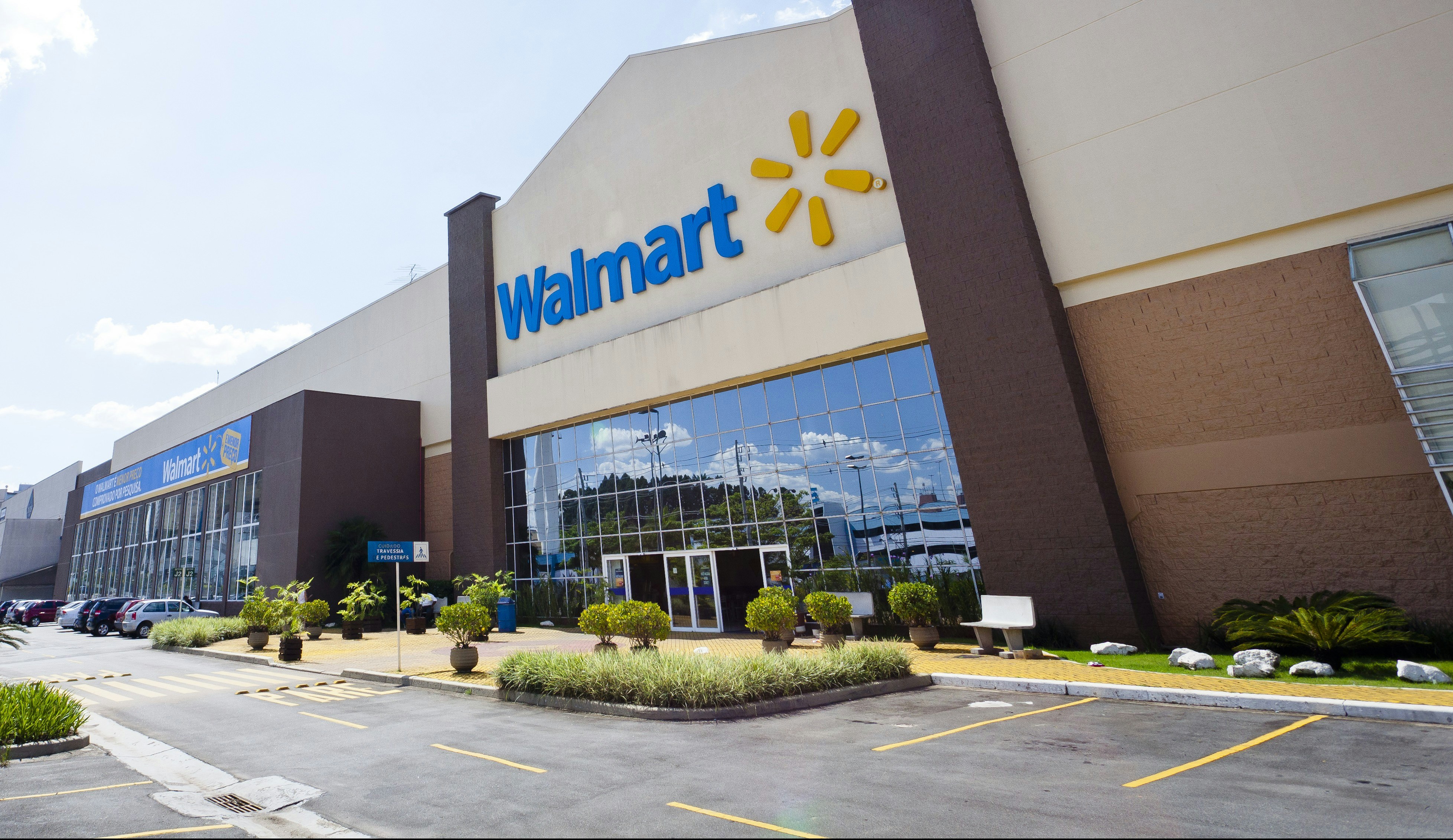
Let’s solve the mystery directly: Walmart stock is not on the Nasdaq. Instead, its stock has its home on a different, equally famous marketplace: the New York Stock Exchange (NYSE). There, it’s found under the ticker symbol WMT. Think of “WMT” as the stock’s short, unique nickname used by investors, just like a license plate identifies a car.
But why does a company’s stock need a “home”? A stock exchange is simply a giant, organized market. Instead of selling groceries, it’s a place where buyers and sellers trade tiny ownership slices of massive companies. To keep things from becoming a free-for-all, each major company lists its stock on one primary exchange, which becomes its main hub for trading.
The difference between the NYSE and Nasdaq is like the difference between two competing supermalls. The NYSE is the historic, grand mall on Main Street, home to iconic, long-established brands like Coca-Cola and Walmart. The Nasdaq is the sleek, modern mall famous for attracting cutting-edge technology companies like Apple and Microsoft. This distinction is a key first step to understanding stock markets.
What Exactly Is a Stock Exchange? A Simple Analogy
To see why Walmart is on one exchange and not another, it helps to grasp what a stock exchange does. You can’t walk up to a Walmart customer service desk and ask to buy a piece of the company, so where does all this buying and selling happen?
Imagine the entire Walmart company is one giant pizza. Owning one “share” of its stock is like owning one tiny slice. If the company becomes more valuable, your slice is worth more. To turn that value into cash, you need to find someone willing to buy your slice.
A stock exchange is the official marketplace for those slices. Think of the NYSE as a massive, highly organized farmers’ market. But instead of farmers selling apples, millions of investors are buying and selling shares in companies like Walmart. The exchange provides the rules and technology to make sure every trade is fast, fair, and happens at a transparent price.
Without these central marketplaces, buying shares would be chaotic. It would be like trying to find the one person in a giant city who wants to buy your single pizza slice. The exchange brings all buyers and sellers together in one place.
NYSE vs. Nasdaq: The Two Malls of the Stock Market
Having two major exchanges is like having two giant, competing shopping malls in the same city. A company must choose which “mall” it wants to be in, and that choice determines where investors go to buy and sell its shares. The difference between the NYSE and Nasdaq mostly comes down to reputation and history.
The New York Stock Exchange (NYSE) is like the historic, grand old mall on Main Street. It has been around for over 200 years and is home to some of the most iconic, long-established companies in the world. Because of its reputation for housing industrial giants and household names, it was the natural fit for a massive retailer like Walmart.
The Nasdaq is the sleek, modern mall on the edge of town, famous for its technology stores. As the world’s first electronic stock market, it quickly became the go-to exchange for innovative tech companies, from budding startups to the largest software firms on the planet.
The “vibe” of each exchange becomes clear when you look at the types of companies they attract:
| The Historic Mall (NYSE) | The Modern Tech Mall (Nasdaq) | | :— | :— | | Coca-Cola (KO) | Apple (AAPL) | | Walmart (WMT) | Amazon (AMZN) | | Disney (DIS) | Microsoft (MSFT) |
For a beginner, the most important takeaway is knowing which exchange a company lives on. It’s like knowing the right address before you drive to the store. You now know Walmart is at the NYSE, but that “mall” lists thousands of companies. To pinpoint just one, you need its unique code.
Why Walmart’s “WMT” Ticker Is Your Key
A stock ticker is the ultimate shortcut. While thousands of companies exist, many with similar names, a ticker symbol is a unique code that belongs to only one stock on a specific exchange. Searching for “Walmart stock” might bring up news or articles, but searching for the ticker WMT takes you directly to the financial information for Walmart Inc. It’s the stock market’s version of a unique web address.
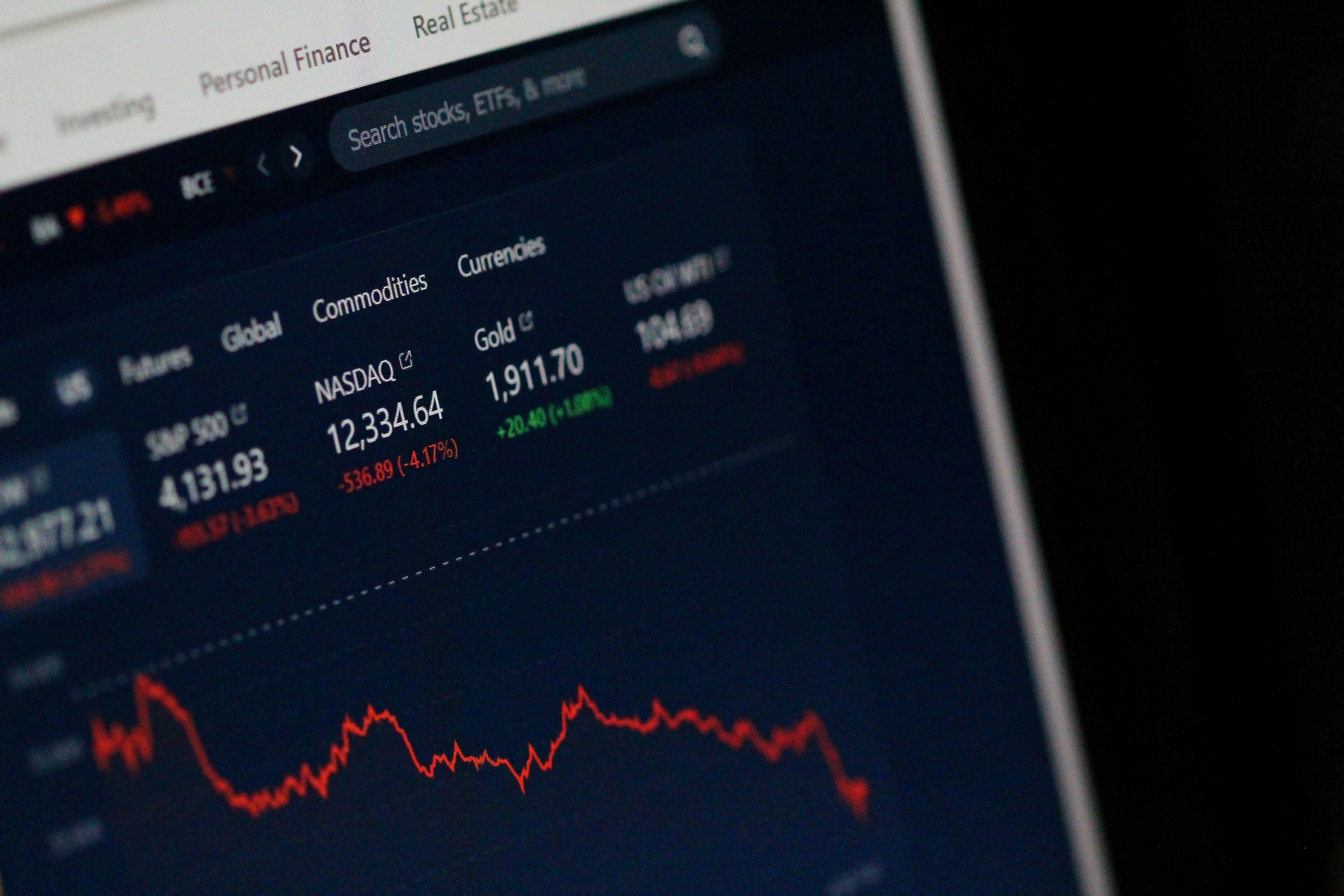
When you use a ticker symbol to look up a stock on a finance website, you’ll immediately see a standard header confirming you’re in the right place. This simple display is packed with essential information.

The standard information clearly shows the three most important identifiers: the full Company Name (Walmart Inc.), the Exchange it trades on (NYSE), and its Ticker Symbol (WMT). Learning to spot this Name-Exchange-Ticker pattern is a fundamental skill for navigating the market.
How Can You Buy a Share of Walmart (or Any Stock)?
Knowing that Walmart trades on the NYSE under the ticker WMT is a huge step. But how do you actually buy a share? You can’t just walk up to the New York Stock Exchange building and make a purchase; it’s an exclusive marketplace not open to the public for direct trading.
To access that marketplace, you need a licensed intermediary called a broker. The broker’s job is to take your order to buy or sell a stock and execute that trade on the exchange on your behalf.
To work with a broker, you open a brokerage account. Think of it as a bank account designed specifically for buying and selling investments. You deposit money into it, and from there, you can place orders to buy shares of companies like Walmart through online brokerage websites and apps.
Essentially, a brokerage account is your personal gateway to the entire stock market, not just for Walmart but for any publicly traded company.
Where Do Walmart’s Competitors Live on the Stock Market?
Thinking about Walmart’s place in the financial world leads to a follow-up question: what about its biggest rivals? Its main competitors are scattered between the two major exchanges, and where they are listed tells a story about each company’s identity.
Take Target, for example. As another long-standing, physical retail giant, it shares a similar history with Walmart. It’s no surprise that Target also calls the NYSE home. Both companies fit the NYSE’s reputation as a destination for foundational pillars of the American economy.
The story changes with a tech-driven competitor like Amazon. A comparison of WMT vs. AMZN isn’t just about their business models; it’s also about their market homes. Amazon, which grew from an online bookseller into a global tech powerhouse, is a perfect fit for the tech-heavy Nasdaq. This is precisely why a search for “Nasdaq Walmart stock” points you in a different direction—the two giants live in different neighborhoods.
The exchange a company chooses often reflects its history and focus. Traditional retail giants tend to cluster on the NYSE, while technology and internet-focused companies often opt for the Nasdaq.
You Now Understand More Than Most About the Stock Market
What started with a simple question—”Is Walmart stock on the Nasdaq?”—has unlocked a fundamental understanding of how the stock market is organized. Terms like “NYSE” and “Nasdaq” are no longer just financial news noise; they are two distinct marketplaces, each with its own character.
You now know that Walmart (WMT) lives on the New York Stock Exchange, the “historic mall” for established giants, and why that makes sense compared to the tech-focused Nasdaq. This gives you a mental map for placing other companies in the headlines. You’ve demystified the concepts of stock exchanges, ticker symbols, and the role of a brokerage account.
The next time you see a ticker symbol flash across a news screen, it will no longer be a random string of letters. You will recognize it as a company’s public identity on a specific market. You’re no longer on the outside looking in—you understand the basic blueprint of the market.