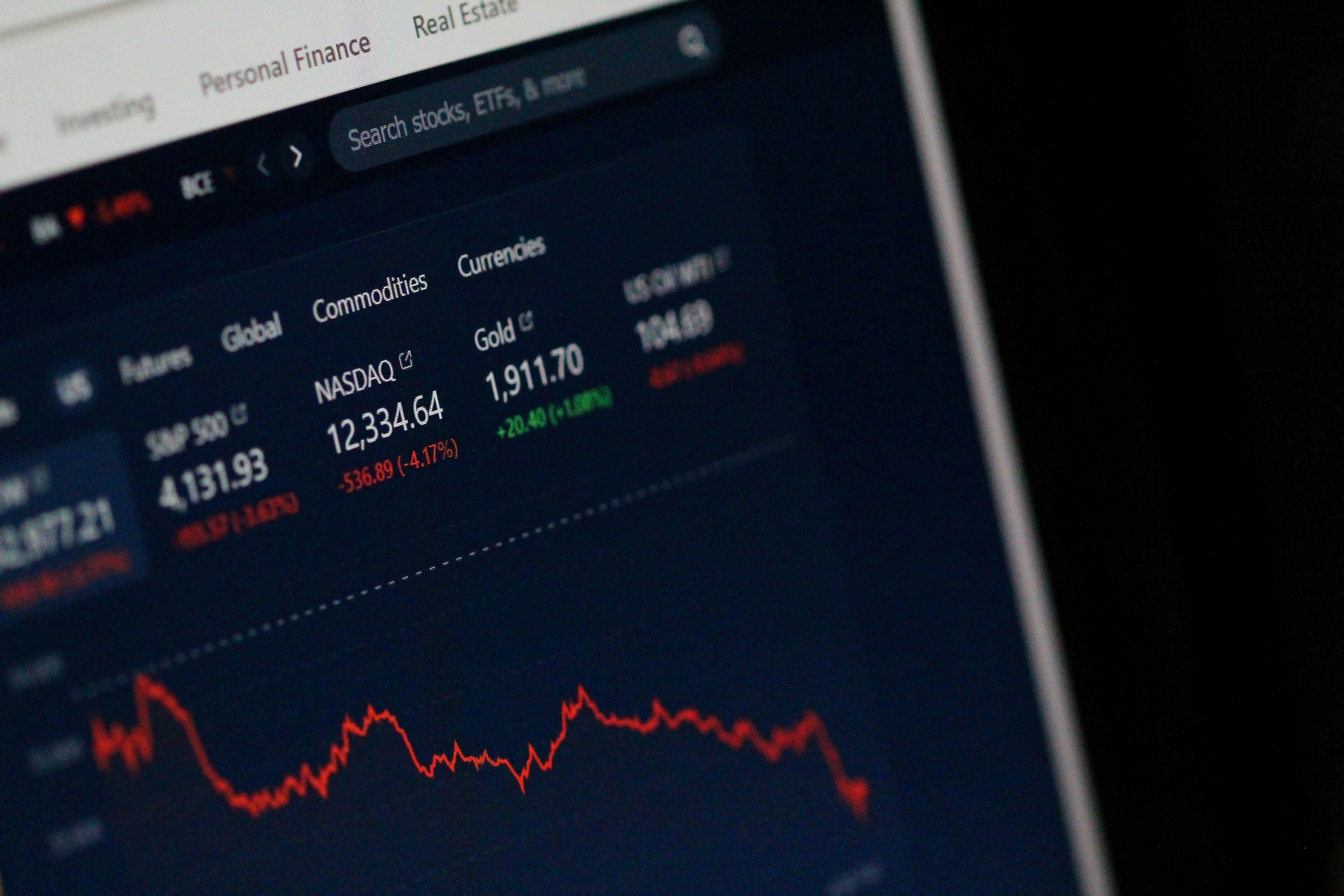
Current Walmart Stock Price and Trends
You’ve shopped at Walmart and seen its blue and yellow sign everywhere. But have you ever wondered what it means to own a tiny piece of the company itself? That’s what a stock is, and when you look at the Walmart stock price today live, you’re seeing the current cost for one of those pieces.
That price isn’t set by Walmart; it’s decided in a giant, ongoing auction where millions of people buy and sell these tiny ownership slices, called shares. The number constantly changes because it reflects the real-time balance of how many people want to buy versus how many want to sell, much like tickets for a popular concert.
When the WMT stock—the company’s official nickname on the stock market—goes up or down, it’s a quick signal of how confident investors feel about Walmart’s future. This sentiment is influenced by everything from news about its holiday sales to the overall health of the economy. This guide will help you understand the big picture without confusing jargon, so you’ll no longer just be looking at a number; you’ll be seeing a story.

What Is a ‘Share’ of Walmart Stock (WMT)?
Think of the entire Walmart company as a giant pie. A single share represents one tiny slice of that pie. When you buy a share of Walmart stock, you become a part-owner of the entire company—from its thousands of stores to its massive fleet of delivery trucks.
To make trading simple, every publicly traded company gets a unique nickname called a ticker symbol. For Walmart, that special code is WMT. Whenever you see “WMT” on a news channel or a financial website, you know they are talking specifically about Walmart’s stock. It’s a universal shortcut.
These shares of WMT stock are bought and sold on a stock exchange, which is a massive, organized marketplace for company ownership. Walmart’s stock is primarily traded on the famous New York Stock Exchange (NYSE). The constant activity of buyers and sellers in this marketplace is what makes the price move.
Why Does the Walmart Stock Price Change Every Second?
Seeing the Walmart stock price bounce around during the day can feel chaotic, but the logic behind it is surprisingly simple: a giant, real-time popularity contest. The price you see is the result of a constant tug-of-war between people who want to buy a share of WMT and others who want to sell the shares they already own.
This movement is driven by a basic principle called supply and demand. When more people are trying to buy Walmart shares than sell them, it shows high confidence in the company, and this increased demand pushes the price up. Conversely, if bad news comes out and more owners decide to sell than there are new buyers, the price will drop. Answering “why is WMT stock dropping?” often comes down to this simple balance.
This trading only happens during set times. The stock market isn’t open 24/7. This window, known as market hours, is typically from 9:30 AM to 4:00 PM Eastern Time on weekdays. During this period, the price moves live with every trade. Outside of these hours, the price you see is the final “closing” price from when the market shut down.
What Big Events Make Walmart’s Stock Price Move?
While the minute-by-minute price is a tug-of-war, the big, noticeable swings are almost always tied to new information that gives investors a reason to either get excited or become cautious. Most of the factors influencing Walmart’s share price fall into one of three main categories:
- The Company’s “Report Card”: About four times a year, Walmart releases an earnings report. This is the most important piece of Walmart stock news. Think of it as the company’s quarterly report card, showing how much money it made. A strong report, often summarized in a latest Walmart earnings report summary, can send the stock price soaring, while a weak one can do the opposite.
- The Health of the Whole Economy: Walmart doesn’t exist in a bubble. Big-picture economic news, like reports on national unemployment or overall consumer spending, matters a lot. If people have less money to spend, it can impact Walmart’s sales, and investors react accordingly.
- The Market’s “Mood”: Sometimes, the stock moves without any specific news about Walmart. If investors are feeling generally optimistic about the entire stock market, that positive wave can lift all boats, including WMT. If they’re pessimistic, even healthy companies can see their stock price dip.
Is a $160 Stock Price “Good”? Understanding Walmart’s Total Value
Judging a company by its share price alone is like judging a pizza by the cost of a single slice. A $5 slice might seem expensive, but not if it’s from a gigantic, party-sized pie. Likewise, a $160 share price for Walmart (WMT) doesn’t tell you how big or valuable the entire company is. A common mistake in any basic Walmart stock analysis is forgetting about the size of the whole pie.
To see the value of that entire pie, investors look at a figure called Market Capitalization, or “Market Cap.” This number represents the total stock market value of a company and is calculated by multiplying the current stock price by the total number of shares that exist. This concept is key to understanding Walmart’s market capitalization and its true scale.
This confirms that Walmart is an absolute giant. Its market cap isn’t just a few billion dollars; it’s in the hundreds of billions, placing it in an elite group of the largest public companies in the world. This massive total value—not the price of a single share—is the real starting point for analyzing the company’s powerful position in the global economy.
How Does Walmart (WMT) Compare to Target (TGT)?
At first glance, Walmart (WMT) and Target (TGT) seem like two sides of the same coin. For investors, however, the subtle but crucial differences in their business strategies are a key part of any Walmart vs Target stock comparison. These differences often explain why one stock might perform better than the other.
Walmart’s core strategy is built on a simple promise: the lowest prices on essentials. Its massive grocery business is the anchor, drawing in customers for weekly needs like milk, bread, and medicine. During uncertain economic times, this focus on “needs” gives the company a defensive strength, as people continue to shop there even when they cut back on spending elsewhere.
Target, on the other hand, thrives by blending needs with “wants.” While it also sells essentials, its reputation is built on offering affordable style—what many call “cheap chic.” It excels at discretionary items like trendy home goods and designer clothing collaborations. This model works exceptionally well when shoppers feel confident and are willing to spend extra.
This difference in focus is something investors watch closely. In a shaky economy, the steady demand for Walmart’s essentials can seem like a safer bet. When people feel optimistic, Target’s ability to capture spending on “wants” might offer more growth potential.
Does Walmart Pay You to Own Its Stock? A Simple Look at Dividends
The short answer is yes. For its owners (shareholders), Walmart offers a direct reward called a dividend. Think of it as a small cash “thank you” payment the company sends you—usually four times a year—just for holding your share. It’s a way for a successful business to share its profits directly with investors. The long WMT stock dividend history and yield is something many see as a sign of reliability.
Not every company pays a dividend. Younger businesses often reinvest every dollar of profit to grow as quickly as possible. A consistent dividend, however, is often the mark of a mature, stable business with predictable profits. For this reason, a strong dividend record is a simple but powerful part of Walmart’s financial health analysis; its ability to consistently reward shareholders suggests the company is on solid ground.
While these payments are a welcome bonus, they aren’t guaranteed. A company can choose to reduce or even stop them if business struggles, which is one of the underlying risks of investing in Walmart stock, or any stock. Smart observers, therefore, look beyond past rewards to focus on what lies ahead.
How to Track Walmart’s Future Growth
While dividends often signal a stable company, the story of future growth is written in new ideas. For a giant like Walmart, that story isn’t just about opening more Supercenters; it’s about expanding its playbook. A key part of any Walmart’s financial health analysis involves looking beyond the familiar stores to see where the company is placing its bets for the future.
Positive sentiment that can influence a WMT stock forecast and analysis often comes from success in these new areas:
- Online Shopping: The race to compete with Amazon is critical. News about Walmart’s e-commerce sales, delivery speed, and its “Walmart+” subscription service are huge indicators of its modern-day strength.
- Healthcare Services: The company is pushing into affordable healthcare by opening “Walmart Health” clinics inside its stores, offering everything from primary care to dental visits.
- Digital Advertising: With millions of people visiting its website and app every day, Walmart is building a powerful advertising business by selling digital ad space to other brands.
Positive headlines in these specific areas are often more telling than a single day’s stock movement. When you hear that Walmart’s online sales are surging, you’re seeing the engine of its future growth in action.
Putting It All Together: Understanding the WMT Price
The live Walmart stock price is more than a fluctuating number on a screen; it’s a real-time story about ownership and opinion. You now understand the powerful forces of supply and demand that make it tick every second the market is open.
That constant movement isn’t random—it’s the result of millions of decisions based on company performance, economic health, and overall market mood. When you hear positive news, you’ll recognize that this can increase demand for the stock and push the price up, while negative headlines can have the opposite effect.
This new lens is the first step in any basic WMT stock analysis. While this knowledge doesn’t answer the complex question, “Is Walmart stock a buy or sell?” it empowers you to understand the context behind that debate.
So the next time you see the Walmart stock price flash on a news ticker, you won’t just see a number. You’ll see the financial pulse of a global company, and you’ll have the quiet confidence of knowing you understand the story it’s telling.